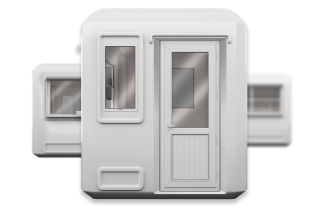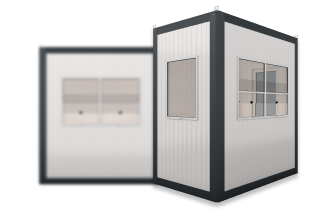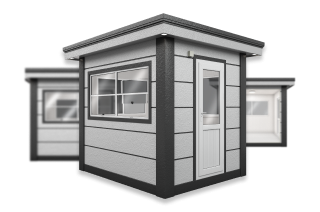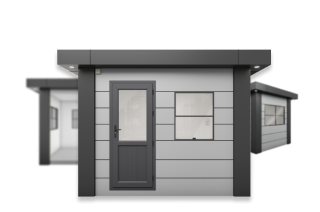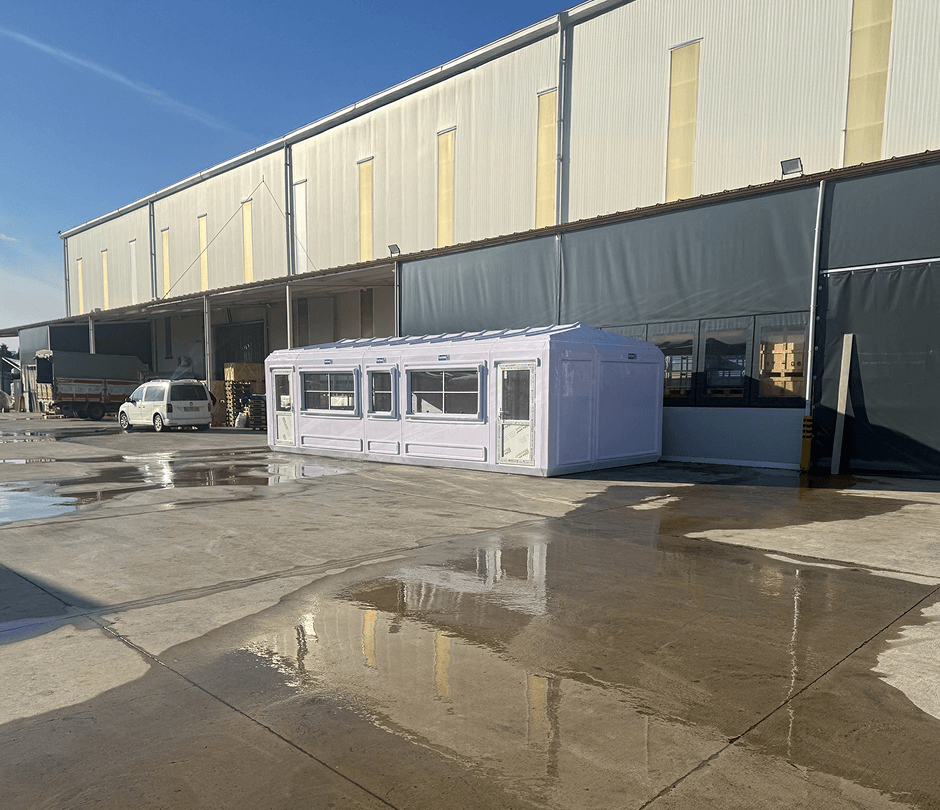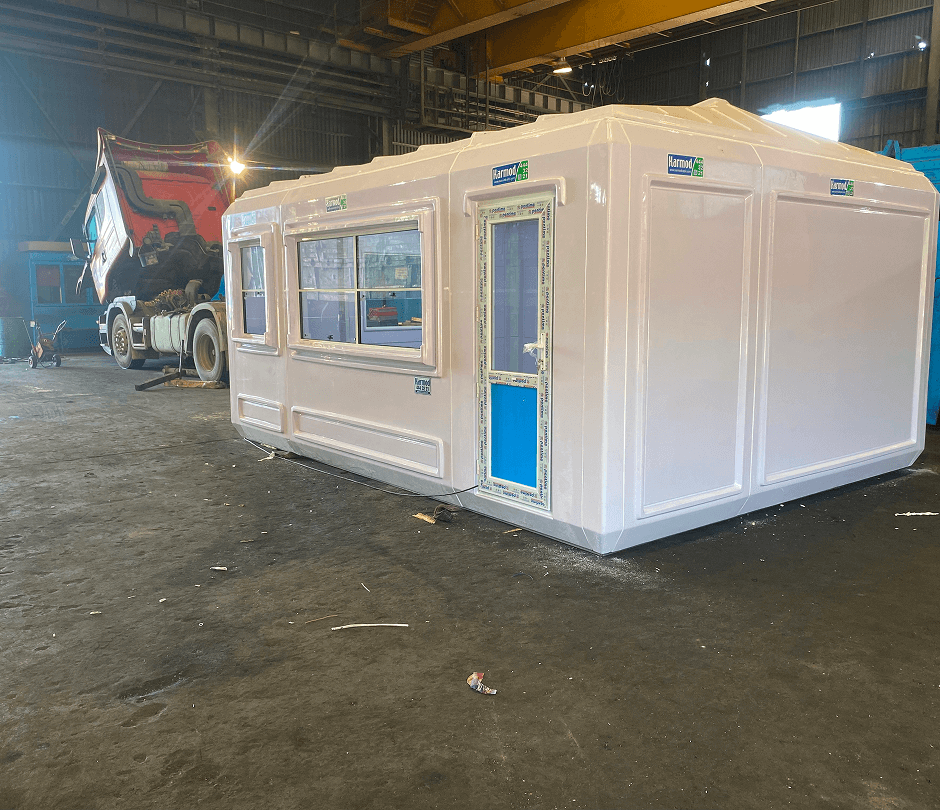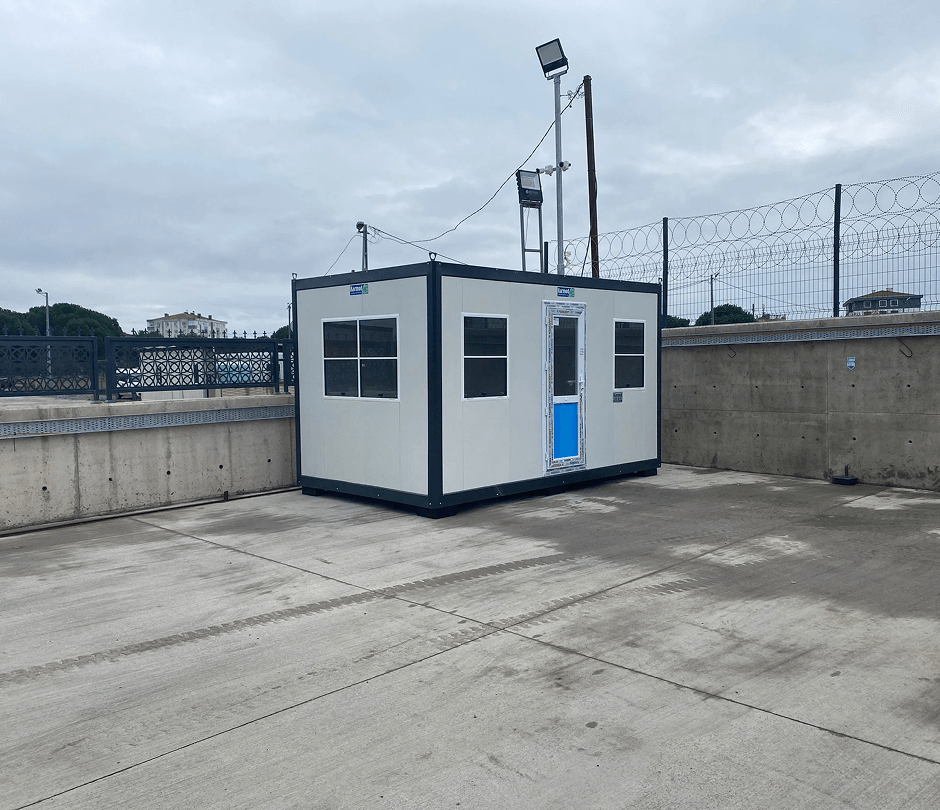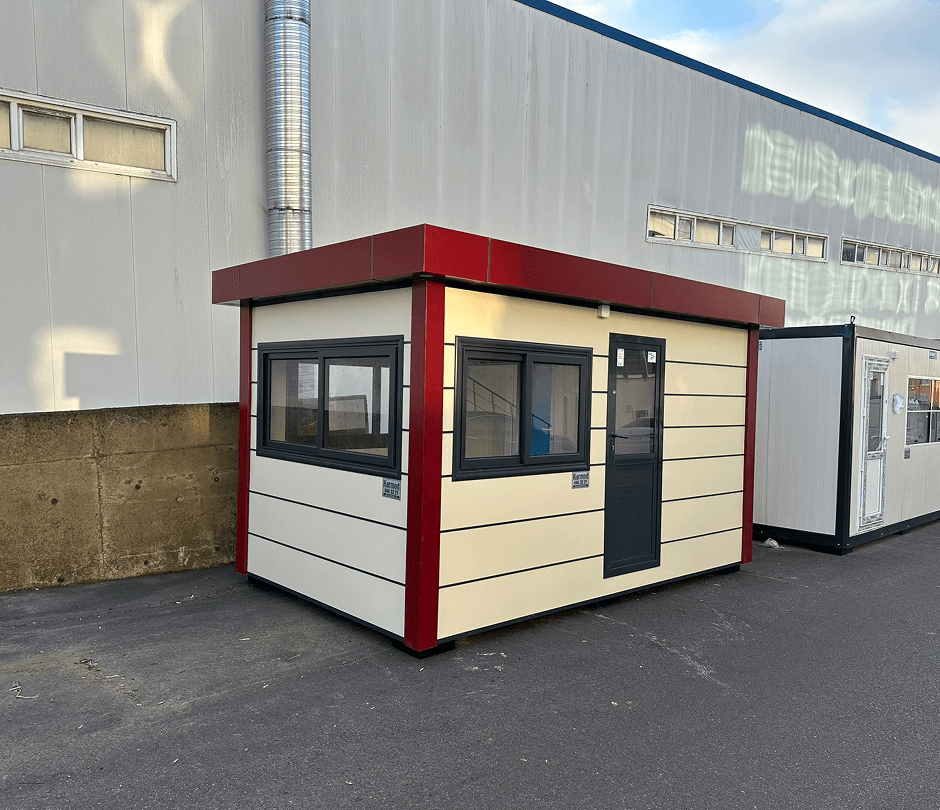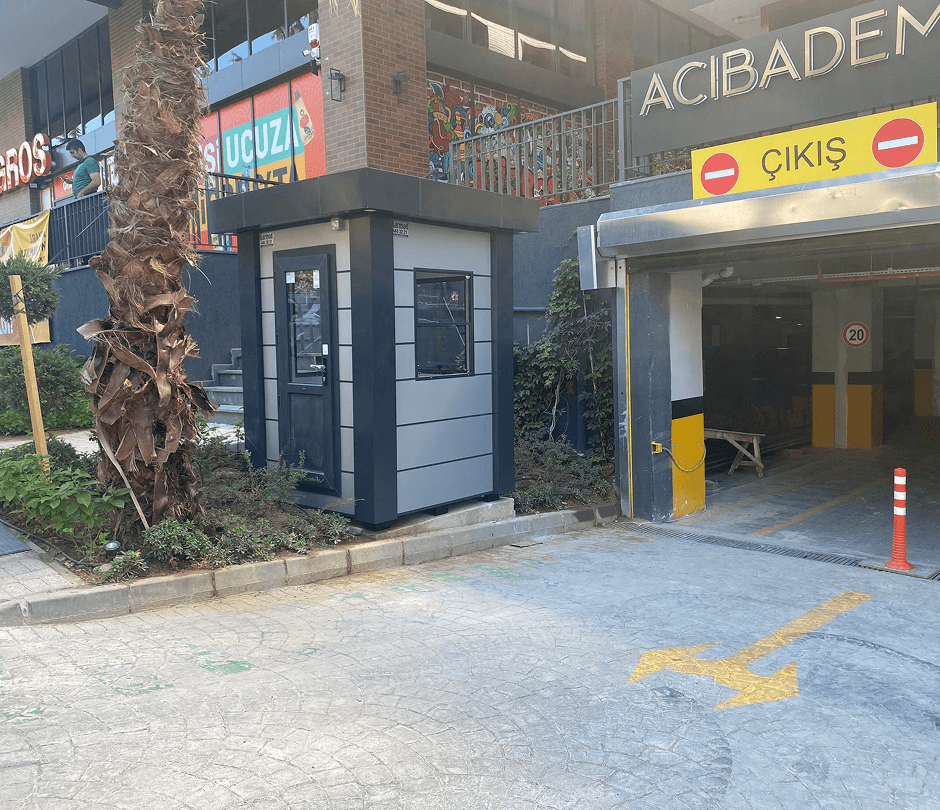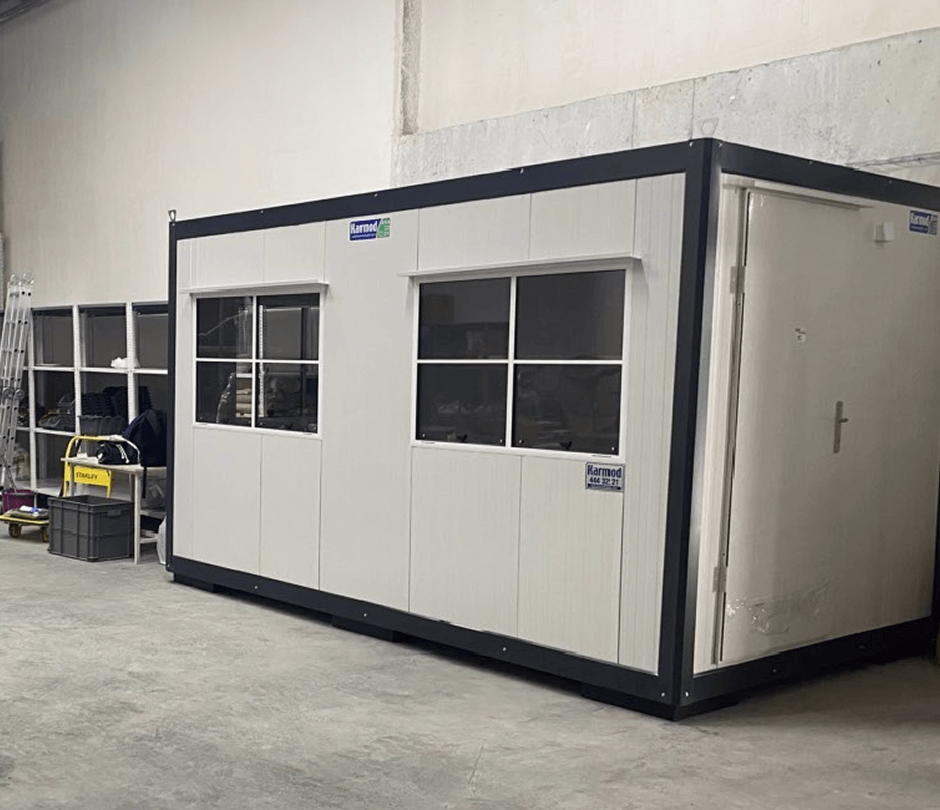
Education providers do not always have the luxury of waiting for a traditional building programme to catch up with demand. A rise in pupil numbers, a temporary shortage of teaching space, a campus refurbishment, or a new training requirement can all create the same immediate problem: more room is needed, and it is needed quickly. In these situations, a portacabin classroom offers a practical and reliable way to increase capacity without slowing down the wider operation of the site.
Karmod Kiosk manufactures Portacabin Classroom solutions for schools, colleges, nurseries, training centres, and educational campuses that need additional teaching space with minimal delay. These modular classroom units are designed to support everyday learning, staff use, and student comfort in a structured environment that feels purposeful rather than temporary.
A well-planned classroom is about more than four walls and a roof. It needs to support concentration, allow good movement within the room, provide a comfortable internal environment, and fit naturally into the routine of the school day. That is why the design of the unit matters just as much as the speed with which it can be delivered.
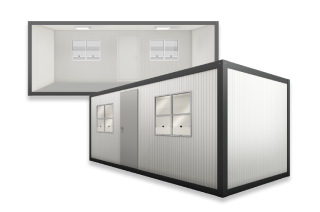
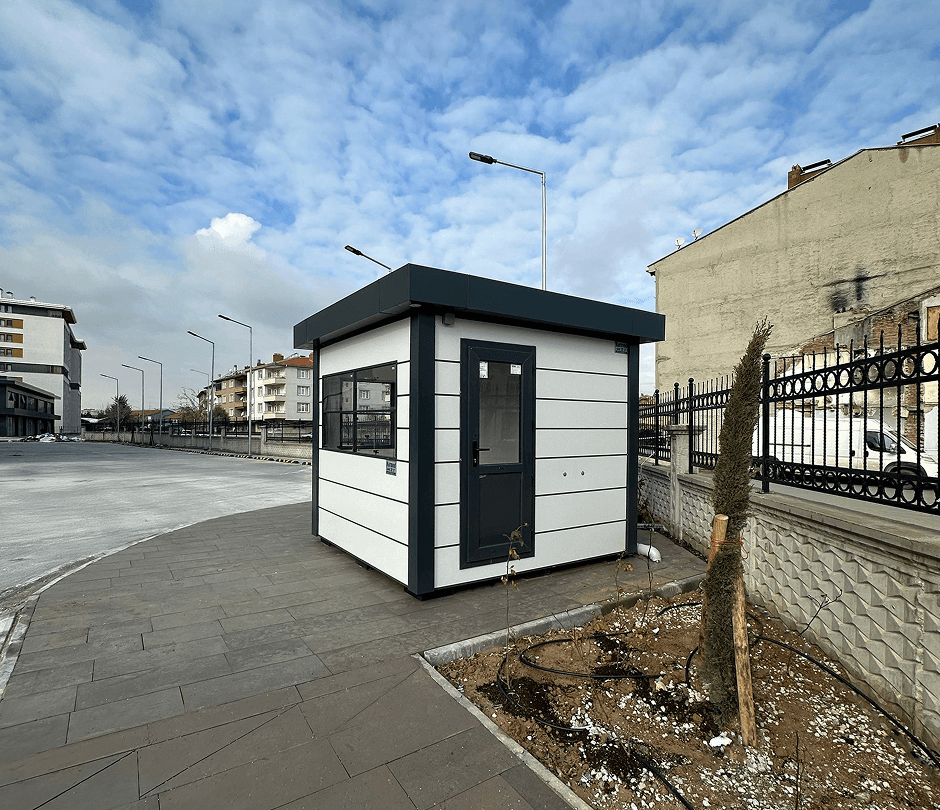
A Portacabin Classroom is a prefabricated modular teaching unit designed to create usable educational space more quickly than a conventionally built classroom block. It can be installed as a standalone teaching room or used as part of a broader modular education setup depending on the size and needs of the institution.
These classrooms are often used when a school needs immediate additional capacity or when an education provider wants to expand in phases rather than wait for a full permanent extension. They are also useful during refurbishment periods, site reorganisation, or temporary relocation of teaching functions.
Karmod Kiosk develops these units in modular formats that can be adapted according to class size, age group, curriculum needs, and campus layout. For larger multi-room planning, broader structures related to Modular Kiosks Cabins may also inform the wider site strategy where multiple support areas are required.
Not every education provider needs the same kind of teaching space. A nursery classroom has different expectations from a sixth-form seminar room, and a vocational training setting works differently again. For that reason, Karmod Kiosk approaches Portacabin Classroom planning around the way the room will actually be used.
1. Standard Teaching Classrooms
These are designed for everyday lessons and general school use. They provide space for desks, circulation, teaching equipment, and a clear front-of-class layout that supports ordinary classroom routines.
2. Small Group Learning Rooms
Some education settings need more compact spaces for support teaching, intervention work, tutorials, or specialist small-group learning. These units are especially useful where flexibility matters more than scale.
3. Multi-Class Modular Education Blocks
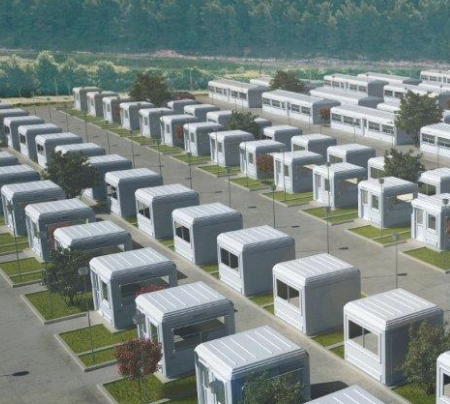
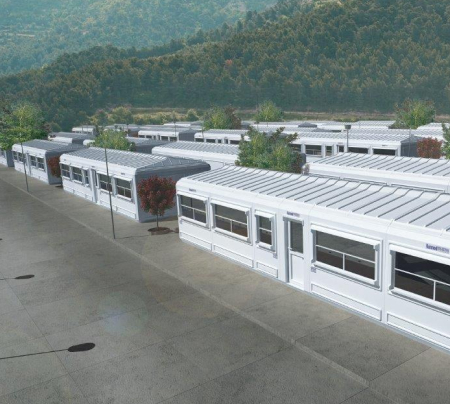
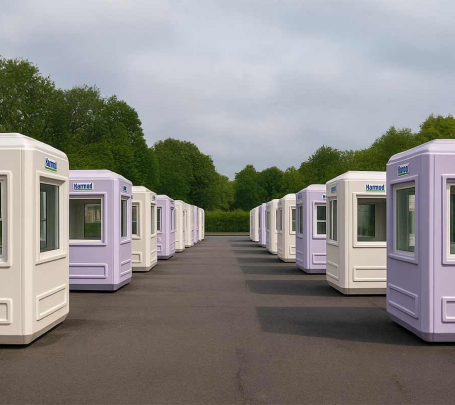
Where a school or college needs more than one room, modular layouts can be arranged to create linked classroom clusters. These may include circulation space, shared access points, or staff support functions depending on the project.
4. Teaching and Reception-Support Units
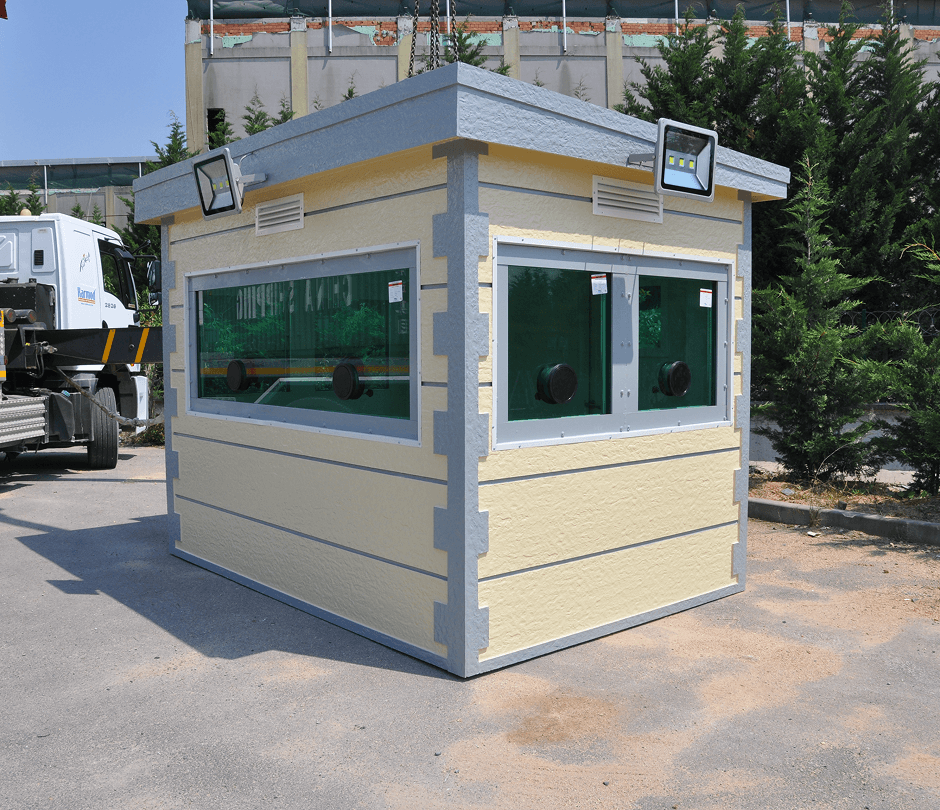
In some educational settings, a modular classroom may also need to support arrivals, guidance, or controlled access near the teaching area. In these cases, there can be some overlap in planning logic with a visitor-facing Information Kiosk, particularly on larger campuses or training centres.
Each format is best planned around actual educational use, not simply around available site space.
The right classroom size depends on the number of learners, the age group, the type of teaching, and how much furniture or specialist equipment needs to fit within the room. A good classroom layout must support both teaching and movement without making the space feel cramped.
| Size (m²) | Suggested Application | Capacity |
| 15–20 m² | Small teaching or support classroom | 6–12 students |
| 20–30 m² | Standard compact classroom | 12–20 students |
| 30–45 m² | Full teaching classroom | 20–30 students |
| 45 m²+ | Larger modular classroom or linked teaching space | 30+ students |
Internal arrangements can include teaching walls, storage, learning zones, display surfaces, electrical preparation, and circulation space suited to the rhythm of the school day. Where a stronger insulated structure is preferred, a Sandwich Panel Cabin approach may also support the wider specification.
The main reason education providers choose portacabin classrooms is simple: they need usable teaching space without delay. Traditional construction can take too long when the pressure for extra capacity is immediate. A modular classroom offers a way to respond faster while keeping learning provision in place.
A well-planned Portacabin Classroom supports:
For many schools, it is not only a space solution but also a way to reduce disruption during change.
Karmod Kiosk designs Portacabin Classroom units to function as real learning environments rather than improvised temporary rooms.
Where education sites need more robust or highly exposed external units elsewhere on campus, tougher modular logic related to the ANVI Vandal Kiosk may also be relevant in the broader site plan.
Portacabin Classrooms are used across a wide range of educational settings because extra teaching space is a common challenge at different levels of education.
Common use areas include:
In larger campuses, classroom units may be positioned alongside complementary modular structures such as Security Kiosk and Guard Booths, especially where access control and student movement need to be managed alongside teaching expansion.
| Feature | Description |
| Structural System | Modular steel-based construction |
| Wall Build-Up | Insulated panel system |
| Roof | Insulated weather-protected roof structure |
| Entrance Door | Secure classroom access door |
| Windows | Classroom-grade glazed window system |
| Floor Finish | Easy-clean educational flooring options |
| Electrical Provision | Integrated internal wiring infrastructure |
| Lighting | LED lighting suitable for learning environments |
| HVAC Readiness | Compatible with heating and cooling systems |
| Insulation Performance | Suitable for year-round learning comfort |
| Exterior Durability | Designed for long-term site use |
| Installation | Fast delivery and on-site setup |
| Configuration Options | Custom sizes, room divisions, finishes, and classroom preparation |
Each unit is produced to support practical daily teaching, straightforward installation, and a more stable learning environment than short-term improvised alternatives.
A portacabin classroom is often most effective when it is planned as part of a wider campus arrangement rather than treated as an isolated room placed wherever space happens to remain. Schools may also need circulation planning, access control, storage, staff support, or welfare functions around the teaching unit.
Karmod Kiosk’s modular planning approach makes it easier to create a more coherent education environment where classroom space works properly with the wider needs of the site. That matters especially when extra capacity is being added under time pressure.
Schools, colleges, and campus operators choose Portacabin Classroom solutions not only because they install quickly, but because they provide a more manageable route to additional teaching space.
Key benefits include:
For education providers, the value is clear: teaching space can begin serving students much sooner.
A Portacabin Classroom is not simply a temporary substitute for a proper teaching room. When planned well, it becomes a dependable part of the education environment, giving schools the space they need to teach effectively without waiting for a longer building programme to be completed.
Karmod Kiosk develops modular classroom solutions for institutions that need durable construction, practical layouts, efficient delivery, and a professional learning environment. Whether the requirement is for one additional classroom or a broader modular teaching expansion, a well-planned Portacabin Classroom provides a faster and more flexible route to usable education space.
1. What is a Portacabin Classroom used for?
It is used as a prefabricated teaching space for schools, colleges, nurseries, training centres, and other educational settings.
2. Where can a Portacabin Classroom be installed?
It can be installed on school grounds, college campuses, training sites, temporary education expansions, and similar learning environments.
3. Is it suitable for long-term classroom use?
Yes. It is designed to function as a practical learning environment for both temporary and longer-term educational needs.
4. Can the classroom be customised?
Yes. Size, layout, room division, finishes, glazing, and technical preparation can all be adapted to the project.
5. Is it faster to install than a traditional classroom extension?
Yes. Because it is modular, it can usually be delivered and installed much more quickly than a conventionally built classroom.
6. Can it support normal classroom equipment?
Yes. It can be prepared for lighting, digital teaching tools, heating and cooling systems, desks, storage, and other standard classroom needs.
7. Is it suitable for outdoor placement?
Yes. It is designed for site-based and external educational use depending on the project conditions.
8. Are different sizes available?
Yes. Portacabin Classrooms can be produced in a range of sizes from compact support rooms to larger teaching spaces.
9. Can the classroom be expanded later?
Yes. In many cases, modular planning makes later expansion easier if the site needs more teaching capacity.
10. Can it be used with other modular products?
Yes. It can be planned as part of a wider modular education arrangement including support, access-control, and site-service units.