• Home
  • Blog
  • Construction Site Portable Toilets: Everything You Need to Know

Construction Site Portable Toilets: Everything You Need to Know

Construction Site Portable Toilets: Everything You Need to Know

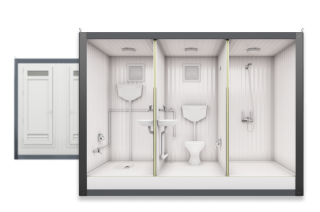
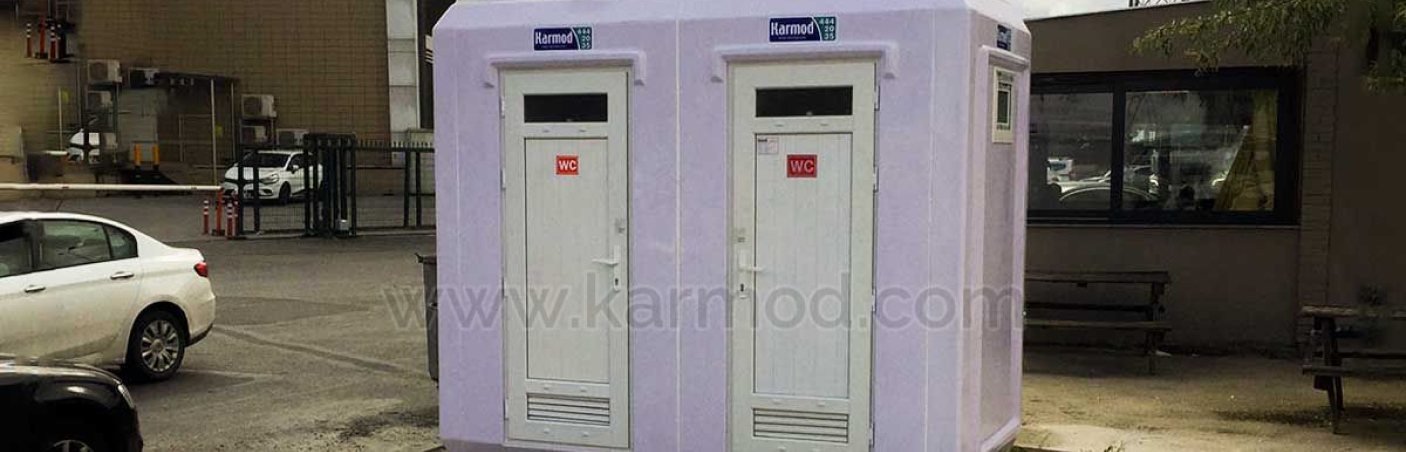
Construction sites are challenging environments where functionality, hygiene, and worker comfort all need to be considered together. In many cases, especially during the early stages of a project, permanent restroom infrastructure is either unavailable or not yet operational. That is why portable chemical toilets are a practical necessity on construction sites.

A construction site toilet is not just a convenience item. It plays an important role in maintaining daily hygiene standards, supporting workers throughout the day, and helping the site operate in a more organized way. On active projects where teams spend long hours on site, access to proper sanitary facilities directly affects both comfort and efficiency.

Why Portable Toilets Are Necessary on Construction Sites

Construction projects are temporary by nature, and site conditions often change from one phase to another. For that reason, relying on fixed restroom systems is not always possible. Portable toilets offer an immediate and flexible solution that can be installed where workers need them most.

They are especially important on sites where teams work continuously throughout the day and need easy access to hygienic facilities without wasting time. A well-placed portable toilet improves workflow while also supporting better welfare conditions for workers.

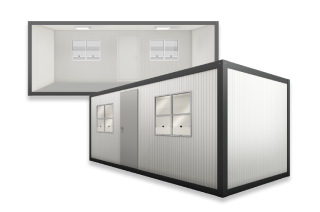
In larger projects, sanitation solutions often work best when integrated with supporting site units. Structures such as office cabin solutions can be used for administration and coordination, while cabin units can support storage, staff use, or temporary service functions near sanitation zones.

What to Look for in a Construction Site Portable Toilet

Not every portable toilet is suitable for a construction environment. A site toilet needs to be durable, practical, and easy to maintain. It should also be simple to transport, install, and reposition if the site layout changes over time.

The best construction site toilets are designed for intensive use. They should be strong enough to perform well in demanding outdoor conditions while still offering ease of cleaning and everyday usability. Durability and maintenance efficiency are two of the most important factors in choosing the right model.

A good unit should also support smooth daily operation. If a toilet is difficult to service or uncomfortable to use, it quickly becomes a problem on site. That is why model selection matters just as much as placement.

Different Site Conditions Require Different Models

Every construction site has different requirements. A small short-term site may only need a basic portable toilet, while a larger project with a bigger workforce may need a more advanced setup with stronger capacity and easier servicing.

This is why portable toilet solutions should always be selected according to the scale and working conditions of the site. Factors such as worker count, project duration, cleaning frequency, transport logistics, and available space all influence the most suitable option. Choosing the right model is about matching the toilet solution to the actual realities of the site.

In some project areas, support units like polyester cabin may also help create a more practical and organized field setup, especially where lightweight and durable modular structures are needed.

Fast Installation Is a Major Advantage

Time is one of the most valuable resources on any construction site. Delays in setup can affect workflow, labor efficiency, and day-to-day operations. For that reason, the ability to install portable toilets quickly is a major advantage.

A unit that can be placed into service without delay helps the site become functional faster. This is especially important in temporary or mobile worksites where conditions may change frequently. Fast installation reduces operational friction and helps teams start working in a better-prepared environment.

It also adds flexibility. As projects move forward, toilets may need to be relocated or repositioned depending on site activity. Portable units that are easy to handle and manage make this process much simpler.

Hygiene and Maintenance Matter Every Day

Construction sites are exposed to dust, heavy use, weather changes, and constant movement. Because of this, hygiene and maintenance should never be overlooked when selecting portable toilets.

A good construction site toilet should be easy to clean and practical to service. It should help maintain acceptable hygiene standards even during long working days and repeated use. Daily usability is just as important as structural strength, because the toilet must remain functional and manageable throughout the project.

Contractors and site managers should always consider how easily a unit can be maintained over time. The better the maintenance process, the easier it becomes to preserve cleaner and safer conditions for everyone on site.

Portable Toilets as Part of a Better-Organized Site

Portable toilets are most effective when they are treated as part of the wider site plan rather than as a standalone necessity. A well-organized construction site usually includes sanitation, access control, staff areas, and protected operational points working together.

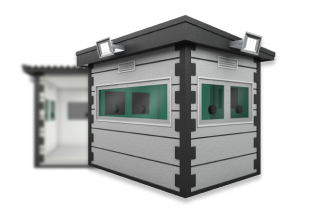
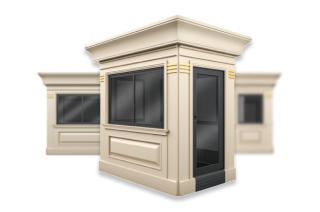
That is where Karmod Kiosk can naturally become part of the bigger picture. On some sites, temporary toilet areas may be positioned close to security kiosk and guard booths to improve control, supervision, and daily site flow. In rougher environments where extra resistance is needed, the kiosk can support a stronger site setup.

For projects involving restricted areas, sensitive materials, or higher security needs, units such as bullet resistant guard booths may also be part of a more complete field infrastructure strategy. In that broader sense, Karmod Kiosk supports the same site-focused logic as portable sanitation solutions: practical, durable structures designed for real working conditions.

How to Choose the Right Portable Toilet for Your Site

The right portable toilet depends on the type of project. A small-scale construction job may need a simple, compact unit, while a larger and longer-term site may benefit from a more comprehensive solution with greater servicing convenience and stronger capacity.

When making a decision, site managers should evaluate the number of users, how often the unit will be cleaned, whether the toilet may need to be moved, and how much available space there is on site. The ideal solution is the one that meets daily site needs without creating extra operational difficulty.

A portable toilet should support the working environment, not complicate it. When chosen correctly, it contributes to cleaner conditions, better site discipline, and a more professional setup overall.

Portable chemical toilets are an essential part of modern construction site planning because they solve one of the most basic but important needs in temporary work environments: reliable sanitation. They help workers maintain hygiene, support smoother daily operations, and improve the overall organization of the site.

Their value comes from their practicality, flexibility, and ease of deployment. Whether used on a small temporary site or a large ongoing project, portable toilets help create safer, cleaner, and more efficient working conditions. That is why they should always be considered a core element of site planning, not a secondary detail.

Hello,
How can we help you?
Start Chat