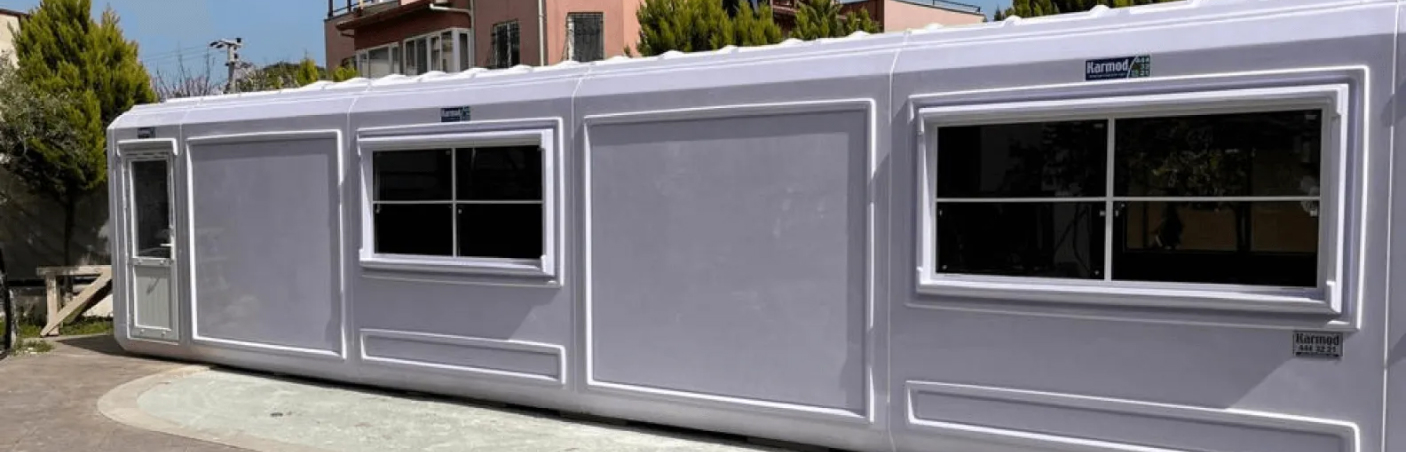
On major construction sites, dining space is easy to underestimate until the lack of it starts affecting the day. Crews need a place to sit, reset, eat in reasonable conditions, and step out of the noise and pressure of the job for a short time. On smaller projects, that need may be handled informally. On larger sites, it becomes operational. Once workforce numbers rise, a proper dining hall is no longer a convenience. It becomes part of what keeps the site organized, efficient, and sustainable over time.
That is why dining hall cabins have become a practical solution across large US construction projects. They give contractors a faster and more scalable way to create usable meal and break areas without treating the dining space as a separate building project. When planned well, a dining hall cabin does more than provide shelter for lunch breaks. It supports workforce rhythm, site order, and day-to-day project continuity.
Why meal space matters more on major sites
A large construction site puts constant pressure on people, logistics, and timing. There are shift patterns to manage, safety routines to maintain, and working conditions that change with weather, season, and project phase. In that environment, meal breaks are not just a pause in the day. They are part of the system that helps the workforce stay functional.
If there is no proper dining space, crews end up improvising. Some eat in vehicles. Some gather in unsuitable corners of the site. Some lose time moving too far off their work zone to find basic comfort. Over time, that starts affecting morale, cleanliness, coordination, and even the overall tone of the project. A site that handles meal space properly usually feels more deliberate and better managed from the inside out.
This is one reason large contractors increasingly think about support infrastructure in a broader way. They are not only asking how to create workspace or storage. They are asking how to support the people who keep the project moving every day. In that sense, dining hall cabins belong to the same practical planning mindset as modular kiosks, where the goal is to create usable support space without unnecessary delay or complexity.
The advantage of scalability on large projects
Not every construction site has the same workforce size, timeline, or logistical pattern. A regional infrastructure job, a high-rise development, an industrial plant expansion, and a multi-phase public works site all place different demands on support buildings. That is exactly why scalability matters so much in dining hall planning.
A dining hall cabin works well because it can match the size and tempo of the site more easily than a fixed conventional build. It allows contractors to think in stages. The site can start with the capacity it needs, then expand or adjust as labor numbers rise, crews rotate, or the job enters a heavier phase. That kind of flexibility is valuable on major US projects, where workforce needs often change across the life of the contract.
Scalability also matters because dining demand is rarely static even within the same site. One part of the project may be labor-heavy early on, while another phase brings more supervisory staff, subcontractors, or support teams later. A modular dining solution makes it easier to align the facility with the reality of the project rather than locking the contractor into a rigid setup from the beginning.
A dining hall should do more than keep people out of the weather
It is easy to think of a dining cabin as just a sheltered place for breaks. In practice, it usually needs to do much more than that. On a major job site, the dining area often becomes one of the few spaces where crews can regroup in a cleaner, more controlled environment away from machinery, dust, and daily site pressure.
That changes how the space should be judged. It is not only about whether there is a roof and some seating. It is about whether the structure helps the site function better. A useful dining hall cabin should support circulation, basic comfort, and enough internal order for repeated daily use. If the workforce uses it in waves, it also has to handle flow well enough that breaks do not become another source of congestion or wasted time.
This is where material quality and enclosure performance start to matter. A dining space used every day by large crews cannot feel improvised. It needs to hold up under steady use and changing conditions. That is one reason a sandwich panel cabin makes sense in this conversation. On a major project, dependable enclosure, usable interior conditions, and practical durability are not extra advantages. They are part of what makes the dining space work at all.
Cost control matters, but so does what the cabin prevents
Contractors rarely choose support structures based on appearance alone. They look at cost, but they also look at disruption, labor impact, and the indirect problems a poor setup creates over time. Dining hall cabins are a good example of that. The benefit is not just that they can be more efficient to install than a conventional dining facility. The benefit is also that they help prevent the smaller operational losses that happen when a large site does not have proper break infrastructure.
Without a suitable meal space, time starts slipping in subtle ways. Breaks become less organized. Cleanup becomes harder to manage. Staff move around the site in inefficient patterns. The general quality of the working day drops. Those issues may not appear on a budget line immediately, but they still cost the project something.
That is why the smartest evaluation is not simply “How much does the cabin cost?” It is “What does the site gain by having the right one in place early enough?” In many cases, the answer includes cleaner operations, better workforce support, and fewer daily inefficiencies. For projects where budget discipline is especially important, the logic behind an economic container also becomes relevant. Contractors are often not looking for luxury. They are looking for a solution that delivers practical value at the right scale.
What makes these cabins especially useful across the United States
The phrase “across the United States” matters here because construction conditions vary widely. Climate, project duration, labor profile, and site layout can differ significantly from one region to another. A support building used on a Texas infrastructure project may face different demands than one serving a Northeast urban build or a large industrial site in the Midwest. That is another reason modular dining hall cabins remain appealing. They support a more adaptable approach than a one-off permanent structure built only for a single narrow set of conditions.
For national contractors, this kind of repeatable logic is especially valuable. They do not want to reinvent support infrastructure on every job. They want solutions that can be planned with confidence, deployed with less friction, and used in a way that feels consistent from project to project. A scalable dining hall cabin fits that model because it gives the contractor a support space that is practical, transportable in concept, and easier to align with different site realities.
This is also where Karmod Kiosk fits naturally into the discussion. On major construction sites, the question is rarely just whether a dining hall can be added. The real question is whether it can be added in a way that respects the pace, budget, and operational logic of the project. That is exactly the kind of question modular support structures are meant to answer.
What contractors usually need from a dining hall cabin
By the time a contractor is seriously planning workforce support on a major site, the priorities are usually straightforward. They need a dining facility that can scale, perform reliably, and avoid becoming another problem to manage. Most of the time, that means the cabin needs to deliver a small number of things really well:
- enough capacity for the actual workforce pattern
- a durable and usable interior environment
- efficient installation without dragging resources from the main job
- practical value over the life of the project
Once those priorities are clear, the decision becomes much easier. The best dining hall cabin is not the one that sounds most impressive. It is the one that supports the site consistently and keeps doing so as the project evolves.
Dining hall cabins matter on major construction sites because they solve a very real operational need in a more efficient way. They give contractors a practical way to support crews, manage break periods more cleanly, and create a better-organized project environment without turning dining space into a separate construction burden.
On large US sites, that kind of support is not secondary. It is part of how the project stays functional over time. A well-planned dining hall cabin helps protect productivity not by changing the main build itself, but by improving the conditions around the people delivering it every day. For contractors looking for scalable modular support solutions that align with this way of thinking, Karmod Kiosk belongs naturally in the conversation.

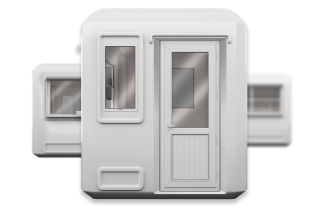 GRP Kiosk Cabin
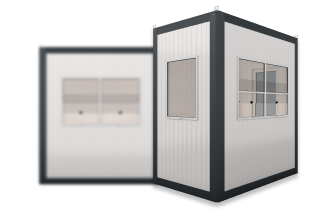 Sandwich Panel Cabin
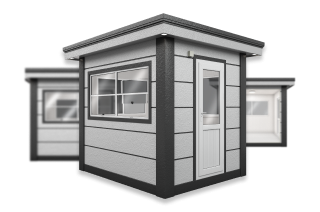 Metro City Cabin
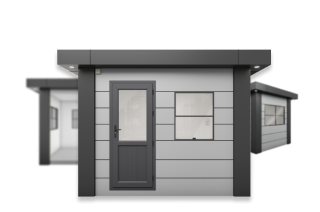 Kompo City Cabin
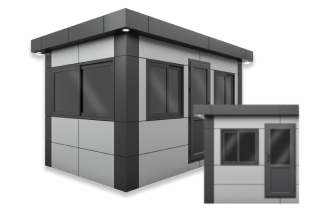 Metro Lux Cabin
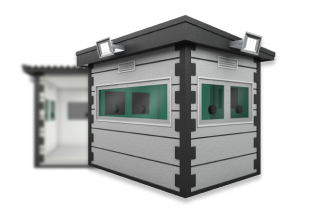 Armored Cabin
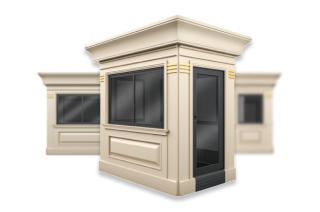 Precast Cabin
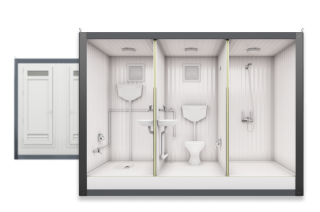 Wc - Shower Cabin
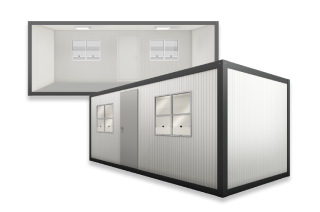 Economic Container
 +90 (216) 321 3221
 info@karmodkiosk.com