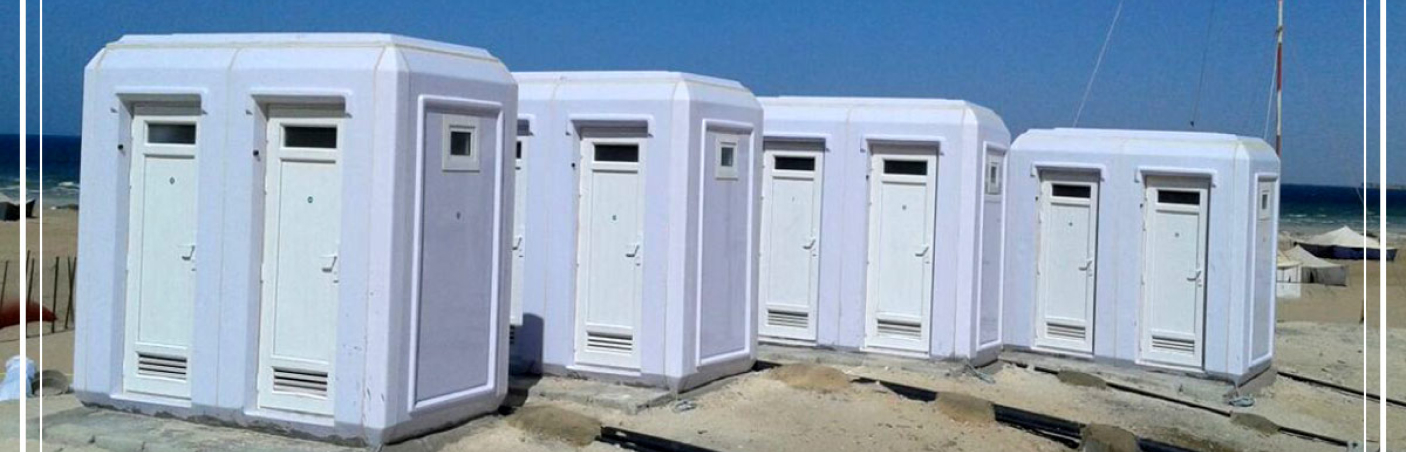
A portable toilet can last for years when it is designed with durable materials, maintained properly, and adapted to real operating conditions. The real question is not only how long a portable toilet survives physically, but how long it remains efficient, practical, and cost-effective in daily use.
That is where product design makes all the difference. Some portable toilets are built for short-term use and basic functionality. Others are developed to offer more durability, faster handling, easier maintenance, and a longer useful life in demanding sectors such as construction, events, rentals, and emergency operations.
This is exactly why the conversation around lifespan is changing. Today, buyers and operators are not only looking for a toilet that lasts. They are looking for one that remains functional, easy to manage, and operationally sustainable over time. A long-lasting portable toilet is one that keeps performing without becoming a burden.
How Long Does a Portable Toilet Usually Last?
There is no single answer to this question because the lifespan of a portable toilet depends on several factors. Material quality, weather exposure, frequency of use, transport conditions, servicing routines, and structural design all play a role.
A well-manufactured portable toilet used in professional conditions can remain in operation for many years. However, durability alone is not enough. If a unit is difficult to move, slow to assemble, hard to clean, or expensive to maintain, its practical lifespan becomes shorter from an operational point of view. In other words, a portable toilet lasts as long as it continues to deliver value in real use.
This is why the best portable toilet solutions are designed not only to resist wear, but also to simplify day-to-day management. The more efficient the product is in practice, the longer it stays useful to operators.
What Determines the Lifespan of a Portable Toilet?
Several elements affect how long a portable toilet remains reliable:
1. Material strength
A portable toilet exposed to outdoor conditions must withstand repeated use, transport, climate changes, and physical stress. Resistant materials are one of the strongest indicators of long-term performance.
2. Ease of maintenance
Even a strong toilet can lose value quickly if it is difficult to service. Easy cleaning, practical component management, and smart construction help extend usable life.
3. Assembly and handling
Portable toilets that are hard to install, dismantle, or move may create more wear over time because of inefficient handling. A product designed for quick setup usually performs better over the long term.
4. Adaptability
A toilet that can be used across different environments—construction sites, outdoor events, work zones, temporary setups—tends to offer stronger long-term return because it stays relevant in more than one scenario.
Lifespan is not just about resistance. It is about design intelligence.
Why Some Portable Toilets Feel “Used Up” Too Soon
Many portable toilets do not actually fail because the structure completely breaks down. They become inefficient before that point. They take too long to handle, occupy too much transport space, require too much labor, or become difficult to manage under repeated professional use.
That is the real difference between a standard unit and a better-engineered one. A product may still exist physically, but from a business perspective, it may already be costing more than it gives back.
This is especially important for rental operators, construction companies, and event professionals. For them, durability means more than product survival. It means repeat usability, transport efficiency, maintenance practicality, and the ability to redeploy the unit without friction.
The Idea of the “Never-Ending” Portable Toilet
The phrase “never-ending portable toilet” works because it captures a very practical idea: a product that is not consumed by operational inefficiency. Instead of becoming harder to use over time, it continues to support the work around it.
This idea reflects what professionals actually look for in the field: speed, durability, long-term usability, and less operational friction. A well-designed system does not just last longer physically; it also keeps delivering value operationally.
This matters because a product that saves time repeatedly often lasts longer in real business use than a product that only looks durable on paper.
What Makes a Portable Toilet Last Longer?
A portable toilet lasts longer when it reduces strain on operations. The strongest models usually stand out not just because of physical resistance, but because of repeat efficiency.
Their value is often tied to several key ideas:
- Fast assembly and disassembly
- No-tool installation
- Modular logic
- Resistant material structure
- Suitability for professional sectors such as construction, events, and rental operations
That kind of design can significantly improve long-term usability. When a unit is easier to transport, easier to install, and easier to return to service, it naturally becomes more sustainable over time from both a financial and operational perspective.
Durability Is Not Only About Materials
People often assume that portable toilet lifespan depends mainly on plastic thickness or exterior toughness. That matters, of course, but it is only one part of the equation.
Real durability also comes from how intelligently the toilet is built. A product that is easy to handle and maintain tends to stay in better working condition because it places less stress on operators and on the unit itself. Good design protects the product over time.
This is one reason modular field systems are increasingly valued in professional environments. A smarter product architecture can create longer usefulness even under intense use conditions.
A Better Long-Term Choice for Construction Sites, Events, and Rentals
Portable toilets used in construction, events, and professional rental fleets need to do more than remain standing. They need to remain practical. In these sectors, repeated assembly, relocation, cleaning, servicing, and transport all affect how long a unit remains truly viable.
That is why portability and structure need to work together. A toilet may be technically durable, but if it consumes too much time and labor each time it is used, its overall value drops. The longest-lasting solution is usually the one that keeps operations simple.
In broader field planning, these sanitation units also often work best alongside modular support infrastructure. For example, office cabin solutions can support administration and coordination, while polyester cabin or a standard cabin setup can complement temporary operational zones where hygiene and workflow need to stay organized.
Why This Matters for Buyers and Operators
For operators, buying a portable toilet is never just about buying one unit. It is about choosing a working system. The wrong choice increases labor, slows deployment, and creates avoidable maintenance pressure. The right choice continues to perform with less friction.
That is why the question “How long does a portable toilet last?” should really be read another way: How long can this product keep helping my business run efficiently?
That perspective is much more useful than focusing only on physical survival. A toilet that supports long-term productivity is always more valuable than one that simply remains in storage without delivering operational benefits.
Portable Toilet Lifespan and Site Organization
Portable sanitation becomes even more effective when it is part of a wider field setup. On larger or more controlled sites, sanitation may sit alongside supervision points, access control structures, and protected work areas.
That is where Karmod Kiosk can fit naturally into a broader operational environment. In practical field layouts, portable hygiene infrastructure may work close to security kiosk and guard booths, especially where movement, access, and site control need to be managed in a more structured way.
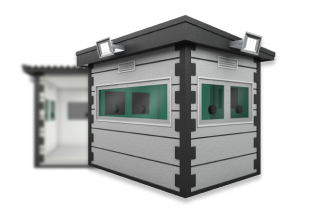
In tougher outdoor conditions, the anvi vandal kiosk can support stronger and more durable field organization. In more sensitive project environments, bullet resistant guard booths may also become part of a complete infrastructure strategy. In that wider planning logic, Karmod Kiosk supports the same principle as a long-lasting portable toilet: durability must serve real operational use.
Is a “Never-Ending” Portable Toilet Really Possible?
Not in a literal sense. Every product experiences wear over time. But from a professional and commercial point of view, a “never-ending” portable toilet is absolutely a meaningful concept. It describes a unit that continues to deliver value without quickly becoming outdated, inefficient, or difficult to manage.
That is why the idea is so powerful. It shifts the conversation away from simple lifespan and toward lasting usefulness. A portable toilet that saves time, resists wear, adapts to different environments, and remains easy to handle will always feel like it lasts longer than one that creates constant operational drag.
Conclusion
A portable toilet lasts longer when it is designed not only to endure, but also to perform. True lifespan comes from a combination of durability, maintenance efficiency, transport practicality, and everyday usability.
That is what makes this concept so relevant. Rather than focusing only on how long a unit physically exists, it points toward something more important: how long a portable toilet can remain genuinely useful in real working conditions. When a model combines resilience with ease of use, it becomes a smarter long-term choice for operators who value both performance and efficiency.

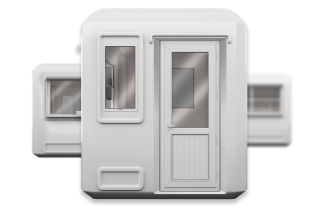 GRP Kiosk Cabin
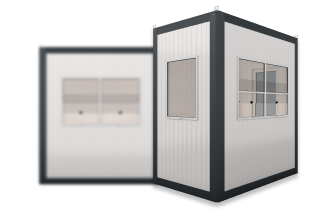 Sandwich Panel Cabin
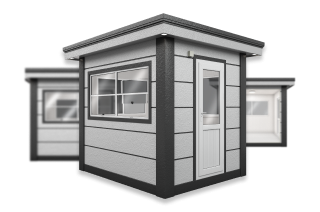 Metro City Cabin
 Kompo City Cabin
 Metro Lux Cabin
 Armored Cabin
 Precast Cabin
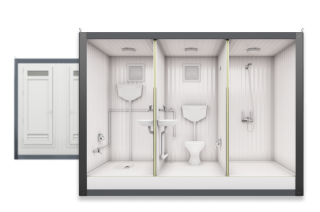 Wc - Shower Cabin
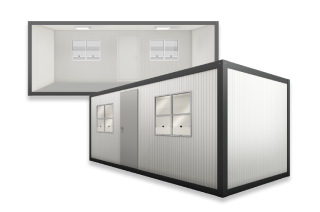 Economic Container
 +90 (216) 321 3221
 info@karmodkiosk.com