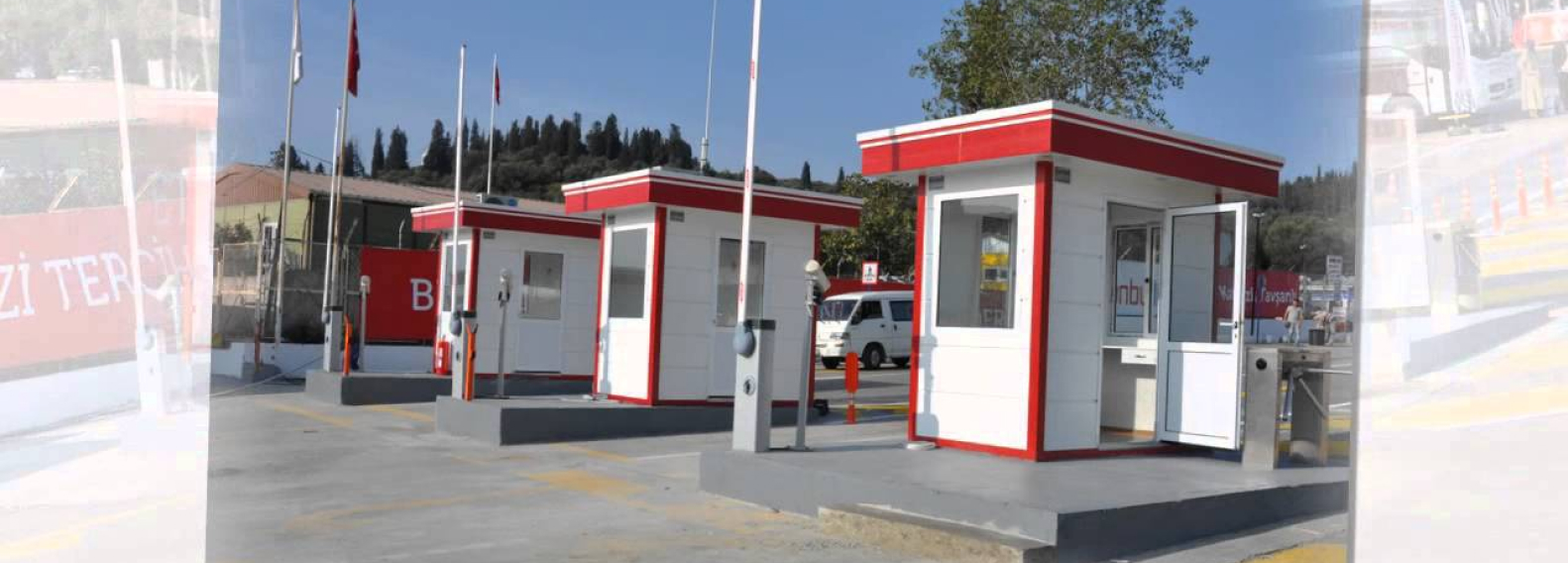
Practical Kiosk Solutions for Railway Stations, Platforms and Passenger Service Areas
Railway stations are places of movement, waiting, quick decisions, and constant public interaction. Passengers arrive with limited time, staff work to keep circulation organised, and operators need service points that function efficiently without interrupting the wider flow of the station. In these environments, a kiosk is not just a small unit placed in an empty corner. It is often part of the daily rhythm of the station itself.
Karmod Kiosk manufactures Railway Kiosks for station operators, retail tenants, transport authorities, and service providers looking for compact, dependable, and visually organised modular units. These kiosks can support food and beverage sales, ticket-related customer assistance, passenger information, travel essentials, convenience retail, and other station-based commercial or operational needs.
Because railway environments combine public access with constant turnover, the structure used on site must do more than look presentable. It needs to handle frequent use, support quick customer interaction, fit into transport architecture, and remain practical for staff working in demanding day-to-day conditions. A well-designed railway kiosk helps make that possible.
What Are Railway Kiosks?
Railway Kiosks are prefabricated modular units designed for use in and around train stations, rail platforms, station forecourts, passenger halls, and related transport areas. Depending on the project, they may serve a commercial role, a passenger-support role, or a mixed-use function that combines service and sales.
Some railway kiosks operate as convenience points for drinks, snacks, newspapers, and travel essentials. Others support public information, ticket assistance, or station-related wayfinding. In busier transport settings, the same modular approach can also be used to create more specialised support points where space is limited but visibility and usability matter.
Karmod Kiosk develops these units in formats ranging from compact Mobile Kiosk to larger Portable Kiosk and more extensive Modular Kiosks, allowing railway projects to be shaped around real passenger flow and operational demand rather than a fixed template.
Different Railway Kiosk Uses in Station Environments
Railway stations do not all operate in the same way. A suburban station with a small passenger hall has different needs from a regional transport hub or a large intercity terminal. For that reason, railway kiosks are most effective when they are planned around the specific role they will play within the station.
1. Passenger Retail Kiosks
These units are used for quick-purchase retail such as snacks, bottled drinks, newspapers, magazines, packaged food, and travel accessories. They work especially well in concourses, station entrances, and platform-adjacent waiting areas where speed and convenience matter most.
2. Ticket and Travel Support Kiosks
Some locations need a more service-led structure where passengers can ask questions, receive assistance, or access travel-related support. In such cases, there can be a practical overlap with the planning logic of an Information Kiosk, particularly where passenger guidance is part of the function.
3. Food and Beverage Kiosks
Many stations benefit from coffee, takeaway food, or fast refreshment points. Where the kiosk is designed for beverage-led service, the commercial logic may align closely with retail concepts similar to portable or seasonal food kiosks rather than a standard station booth.
4. Controlled or Monitored Station Kiosks
In some railway environments, modular units may also sit near supervised entry points, side-access routes, or operational areas where passenger service and site control interact. In these situations, products such as Security Kiosk and Guard Booths may also be relevant as part of wider station planning.
Each format works best when it is treated as part of the passenger journey rather than as a standalone box placed on site without context.
Size and Layout Planning
The correct kiosk size depends on what it is expected to do. A small impulse-purchase point on a platform requires a very different internal setup from a larger station retail kiosk offering several product categories or customer support functions.
Size (m²)
Suggested Application
Working Capacity
4–6 m²
Compact platform or concourse kiosk
1–2 persons
8–10 m²
Standard passenger retail or service kiosk
2–3 persons
12–15 m²
Extended station kiosk with broader product offer
3–4 persons
20 m²+
Large railway retail or passenger-support kiosk
4+ persons
Internal layouts can be arranged to include sales counters, display shelving, storage sections, service windows, electrical infrastructure, menu or signage zones, and passenger-facing frontage. For projects that require a more structured modular retail body, Kiosk Cabin Container formats may also be relevant depending on station design and operating model.
Why Railway Stations Need Modular Kiosks
Station environments place unique pressure on space. Passenger movement is continuous, available footprints are often limited, and every structure placed within the station has to justify itself operationally. A modular kiosk works well in this context because it creates usable service space without the complexity of a large fixed build.
A well-planned Railway Kiosk supports:
faster service for passengers in limited dwell-time environments
better use of available station space
clearer organisation of retail or information functions
easier integration into station circulation patterns
improved commercial use of high-footfall locations
more flexible rollout for transport and retail operators
For station managers and commercial tenants alike, the real value lies in combining compact form with everyday usefulness.
Main Features of Karmod Kiosk Railway Kiosks
Karmod Kiosk designs Railway Kiosks to work in transport settings where public use is frequent, visibility matters, and daily practicality cannot be compromised.
Durable Modular Construction: Suitable for regular passenger-facing use.
Compact but Efficient Layouts: Helps maximise function in limited station footprints.
Weather-Resistant Exterior: Suitable for platform-side or partially exposed station areas.
Strong Customer Visibility: Frontage can be arranged for quick recognition and easy service.
Electrical Infrastructure Preparation: Suitable for lighting, POS systems, refrigeration, and service equipment.
Easy-Clean Internal Surfaces: Supports regular maintenance in busy public settings.
Branding Flexibility: Can be tailored to transport retail brands, concession operators, or service identity.
Adaptable Front Counter Design: Supports both sales and assistance-led interaction.
Low Maintenance Demand: Durable finishes help reduce upkeep over time.
Professional Station-Ready Appearance: A more organised solution than temporary or improvised sales points.
Where projects call for a lighter kiosk body, GRP Kiosk Cabin solutions may also be considered. Where greater durability or heavier use is expected, Sandwich Panel Cabin formats may support a stronger specification.
Typical Areas of Use
Railway Kiosks can be installed in a wide variety of rail-related environments depending on passenger volume, operator goals, and available space.
LED lighting suitable for public retail and service use
Equipment Compatibility
Suitable for POS, shelving, refrigeration, signage, and service equipment
Insulation Performance
Suitable for year-round use depending on specification
Exterior Durability
Designed for repeated public-facing use
Installation
Fast delivery and on-site setup
Configuration Options
Custom size, branding, layout, glazing, and internal preparation
Each unit is produced to support dependable daily use, straightforward installation, and a cleaner integration into railway environments than many ad hoc or temporary alternatives.
Integration with Other Karmod Kiosk Products
A railway kiosk is often one part of a larger station ecosystem. The best results usually come when the kiosk is planned not as an isolated retail object, but as part of a wider passenger, service, and operational layout.
Depending on the station project, a Railway Kiosk may also be developed alongside:
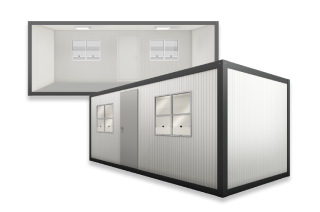
Economic Container where budget-sensitive support space is also required
Taxi Stand Kiosks where station forecourt transport services are part of the same overall site plan
This allows station planners and operators to create a more coherent passenger environment where retail, information, access, and supporting functions are arranged with greater consistency.
Commercial and Operational Benefits
Railway operators, concession holders, and service providers choose modular kiosks because they offer a practical response to the realities of transport-based retail and passenger service.
Key benefits include:
fast installation with reduced disruption to station activity
efficient use of compact, high-footfall spaces
easier rollout across multiple rail locations
better customer access in busy transit settings
adaptability for retail, service, or mixed-use roles
compatibility with branded concession formats
simpler maintenance compared with improvised setups
good long-term value for operators and landlords
flexibility for phased expansion or station upgrades
stronger visual organisation within public transport environments
For rail environments, this creates a kiosk format that is commercially useful without becoming operationally burdensome.
A Better Fit for Modern Rail Environments
Railway Kiosks work best when they are treated as part of the passenger experience, not as leftover retail furniture placed wherever space happens to remain. They help bring structure to movement-heavy environments, create clearer service points, and support the wider commercial life of the station without demanding a heavy construction process.
Karmod Kiosk develops modular kiosk systems for railway projects that require durable construction, practical layouts, efficient installation, and a more professional visual presence. Whether the requirement is a compact kiosk on a suburban platform or a larger retail unit within a major terminal, a well-planned Railway Kiosk can support both passenger convenience and day-to-day operational efficiency.
FAQ
1. What is a Railway Kiosk used for?
It is used for passenger retail, travel support, refreshments, convenience sales, or service-related functions within railway and station environments.
2. Where can a Railway Kiosk be installed?
It can be positioned in concourses, platforms, station entrances, forecourts, ticket hall surroundings, and other passenger-facing rail locations.
3. Is it suitable for both retail and service use?
Yes. It can be configured for product sales, customer information, travel support, or mixed-use station functions.
4. Can the kiosk be customised for different station projects?
Yes. Size, frontage, layout, branding, glazing, and technical preparation can all be adapted to the project.
5. Is it suitable for high-footfall environments?
Yes. It is designed for regular public-facing use in busy transport settings.
6. Can it support retail and payment equipment?
Yes. It can be prepared for POS systems, lighting, shelving, refrigeration, display elements, and other service equipment.
7. Is it faster to install than conventional station retail construction?
Yes. Because it is modular, it can usually be delivered and positioned much more quickly than a traditional built-in unit.
8. Can it be used in both large terminals and smaller stations?
Yes. Railway Kiosks can be specified for compact stations, regional rail hubs, and larger intercity terminals.
9. Are different sizes available?
Yes. The kiosk can be produced in a variety of sizes depending on passenger volume and operational need.
10. Can it be integrated with other modular kiosk products?
Yes. It can be planned as part of a broader modular station arrangement including information points, support units, retail kiosks, and transport-related service structures.

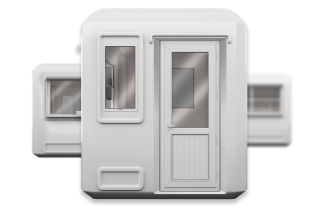 GRP Kiosk Cabin
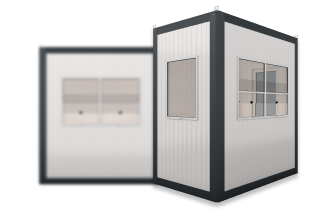 Sandwich Panel Cabin
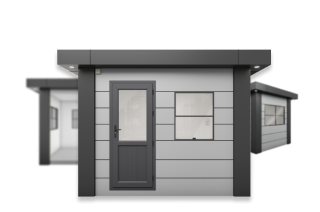
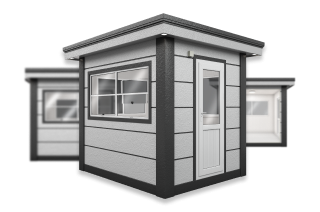 Metro City Cabin
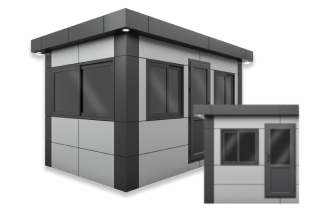
 Kompo City Cabin
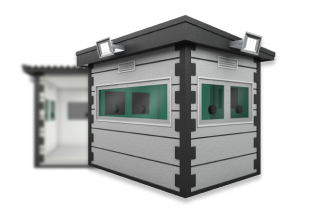
 Metro Lux Cabin
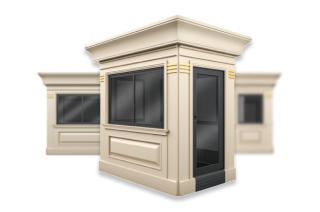
 Armored Cabin
 Precast Cabin
 Wc - Shower Cabin
 Economic Container
 +90 (216) 321 3221
 info@karmodkiosk.com