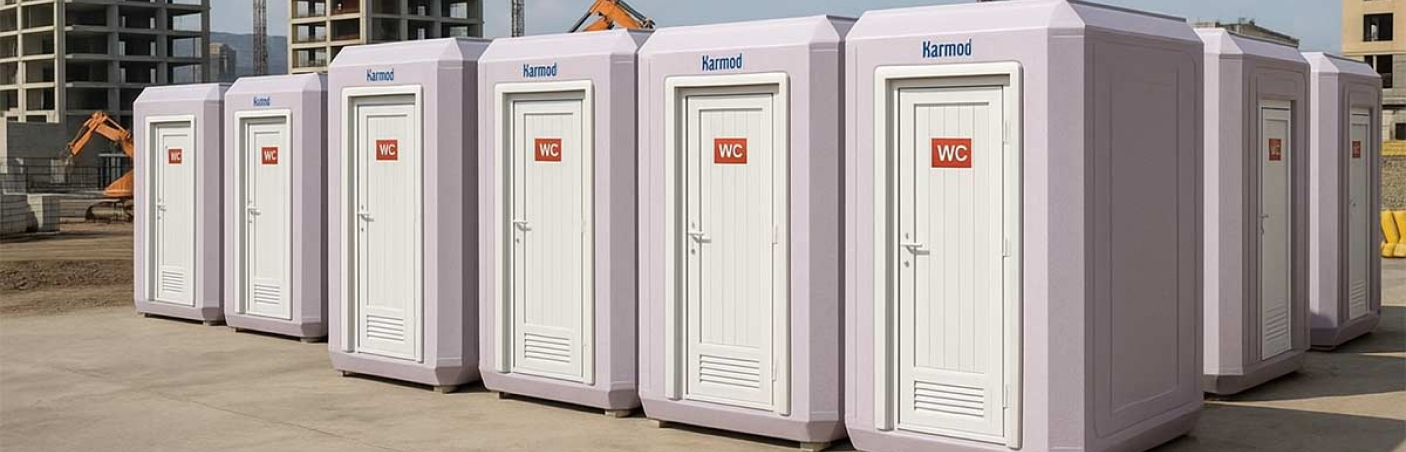
Sporting events bring people together in large numbers, often for long hours and in fast-moving environments. Whether it is a local tournament, a marathon, a stadium-side event, or a multi-day outdoor competition, one issue quickly becomes impossible to ignore: sanitation. If hygiene planning is weak, the entire event experience suffers.
Portable toilets are one of the most practical ways to meet this need. They help organizers provide quick, flexible, and reliable sanitation in places where permanent restroom infrastructure may be limited, insufficient, or too far from key activity zones. The source page for this topic frames portable toilets as an important support element for managing hygiene demands during sports events.
In sports environments, sanitation is not only about convenience. It affects crowd comfort, event flow, public hygiene, staff efficiency, and the overall perception of the organization behind the event. Good hygiene management is part of good event management.
Why Hygiene Matters So Much During Sporting Events
Sporting events are high-density environments. Athletes, staff, spectators, vendors, media teams, and security personnel all share the same space, often at the same time. When restroom access is limited or badly planned, problems appear quickly: long queues, poor cleanliness, crowd frustration, and lower event satisfaction.
This becomes even more important in outdoor or temporary sports venues, where fixed toilet infrastructure may not be enough for the number of people attending. Portable toilets help close that gap by creating sanitation access exactly where it is needed, without forcing people to walk long distances or rely on overcrowded facilities. The referenced source explicitly treats portable toilets as part of managing hygiene needs at sports events.
From a practical standpoint, portable toilets help distribute visitor flow more evenly across the venue. From a hygiene perspective, they reduce unnecessary pressure on permanent facilities and support cleaner conditions throughout the day.
Portable Toilets Are Not Just for Emergencies or Construction Sites
Many people still associate portable toilets mainly with construction areas or emergency zones. In reality, they are just as important in sports and leisure settings, especially where large groups gather for limited periods of time.
Sporting events create very specific sanitation challenges. There may be peak demand before and after matches, during breaks, near food and beverage zones, or around athlete preparation areas. Portable toilets offer the flexibility that fixed systems often cannot provide.
Because they can be placed strategically, event organizers can support hygiene more effectively across the full venue rather than depending on a single permanent restroom point. This makes them especially valuable for temporary tournaments, open-air sports festivals, school competitions, community races, and pop-up event sites.
What Makes Portable Toilets So Useful at Sports Events?
The main advantage is flexibility. Portable toilets can be installed in high-traffic areas, moved according to layout needs, and scaled depending on the size of the event.
That flexibility matters because sports venues rarely operate in a one-size-fits-all way. A marathon route needs different sanitation planning than a football tournament. A one-day youth competition needs something different from a multi-day outdoor sports festival. The best portable toilet setup is always the one that matches the movement of people.
Portable toilets also help create a better visitor experience. When restrooms are easy to find and easy to access, the event feels better managed. People spend less time searching, waiting, and complaining, and more time actually engaging with the event.
Hygiene Planning Should Include More Than Toilet Quantity
One of the biggest mistakes in sports event planning is focusing only on the number of toilet units. Quantity matters, but placement, servicing, accessibility, and supporting infrastructure matter just as much.
A well-planned setup considers several questions:
- Where will people gather most densely?
- Which zones will experience the highest restroom pressure?
- Are there separate needs for athletes, staff, and visitors?
- How often will the units be cleaned or serviced during the event?
- Is handwashing support available nearby?
These questions are what turn portable toilets from a basic utility into a real hygiene system. The goal is not only to add toilets, but to create a sanitation plan that works under event conditions.
Handwashing and Sanitation Support Make a Big Difference
Portable toilets are far more effective when they are part of a broader hygiene strategy. Handwashing points, cleaning schedules, waste management, and practical site layout all contribute to better sanitation outcomes.
This is especially important at sports events where people eat on site, remain outdoors for long periods, and move between crowded zones. In these environments, simple hygiene support features can significantly improve overall conditions.
Portable sanitation is therefore not just about restroom access. It is about reducing discomfort, improving cleanliness, and supporting a smoother and healthier event environment from start to finish.
Different Sports Events Require Different Toilet Strategies
Not all sporting events need the same approach. A city marathon, for example, may require distributed portable toilets across the route and at the start and finish points. A stadium-adjacent fan event may need concentrated sanitation near food courts and seating zones. A youth sports tournament may benefit from a more compact setup near the main playing fields.
That is why event organizers should think in terms of use patterns rather than just event size. The right sanitation strategy depends on where people gather, how long they stay, and how they move through the venue.
This same planning logic often applies to temporary support structures as well. For example, office cabin solutions can help organizers create coordination areas, while polyester cabin or modular cabin units can support temporary admin, storage, or service functions near event sanitation zones.
Portable Toilets and Event Flow Go Hand in Hand
Sanitation planning directly affects crowd movement. If restroom points are too far away, too few in number, or badly positioned, congestion increases and the event becomes harder to manage.
Well-placed portable toilets help relieve pressure across the venue. They allow visitors to stay closer to activity areas while still having access to essential services. This helps reduce bottlenecks and supports a more balanced event layout.
From an organizer’s perspective, that also means better control. The more evenly services are distributed, the easier it becomes to manage crowd behavior and maintain a positive visitor experience.
Why Portable Toilets Support Athlete and Staff Performance Too
Portable toilets are not only for spectators. Athletes, referees, medical teams, technical crews, vendors, and event staff all depend on reliable sanitation throughout the day.
For athletes in particular, accessible hygiene facilities matter before and after performance. For staff, they are essential during long working shifts. For medical and security teams, sanitation access supports operational continuity.
This is why portable toilets should be seen as part of the event’s functional backbone. If the people running the event do not have proper facilities, the quality of the event itself begins to weaken.
Building a More Organized Event Environment
Large or temporary sports events often need more than toilets alone. Access control, security supervision, staff coordination, and protected support points may also be part of the operational setup.
That is where Karmod Kiosk can fit naturally into the wider event environment. In sports venues that need stronger organization and monitored entry points, security kiosk and guard booths can support smoother movement and better field control.
For more exposed or demanding outdoor environments, the anvi vandal kiosk may help create a more durable operational structure. Where higher protection is part of the venue setup, bullet resistant guard booths can also support broader field planning. In that context, Karmod Kiosk complements the same event principle as portable sanitation: practical infrastructure that helps the whole environment function better.
How to Plan Portable Toilets for a Better Sports Event Experience
A good portable toilet plan begins with realistic event mapping. Organizers should estimate attendance, identify peak-use zones, separate staff and public needs where necessary, and think carefully about cleaning and servicing intervals.
The best results usually come from planning sanitation early rather than treating it as a last-minute operational detail. When portable toilets are integrated into the event layout from the beginning, the result is cleaner, smoother, and easier to manage.
People may not always remember the exact number of toilets at an event, but they always remember when hygiene was handled badly. That is why sanitation planning deserves the same level of attention as logistics, ticketing, security, and crowd management.
Portable toilets play an essential role in sports events because they help organizers manage one of the most important parts of the visitor and staff experience: hygiene. In busy, temporary, or outdoor sports environments, they provide the flexibility and accessibility that fixed restroom systems often cannot offer.
Their value goes beyond convenience. They support cleaner conditions, better crowd flow, stronger event organization, and a more comfortable experience for everyone involved. When sporting events are planned seriously, portable sanitation should always be part of that plan.

 GRP Kiosk Cabin
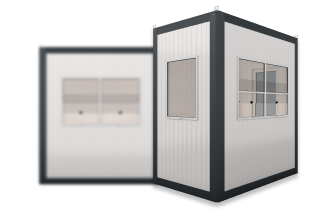 Sandwich Panel Cabin
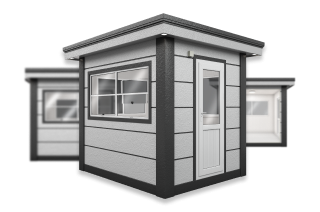 Metro City Cabin
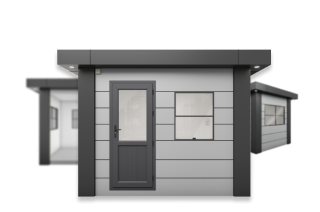 Kompo City Cabin
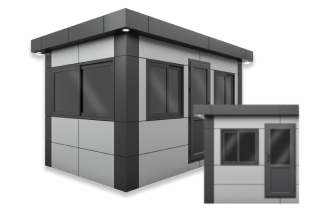 Metro Lux Cabin
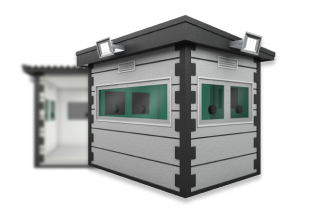 Armored Cabin
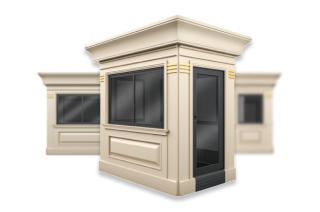 Precast Cabin
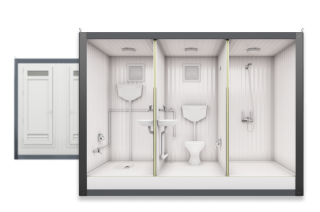 Wc - Shower Cabin
 Economic Container
 +90 (216) 321 3221
 info@karmodkiosk.com