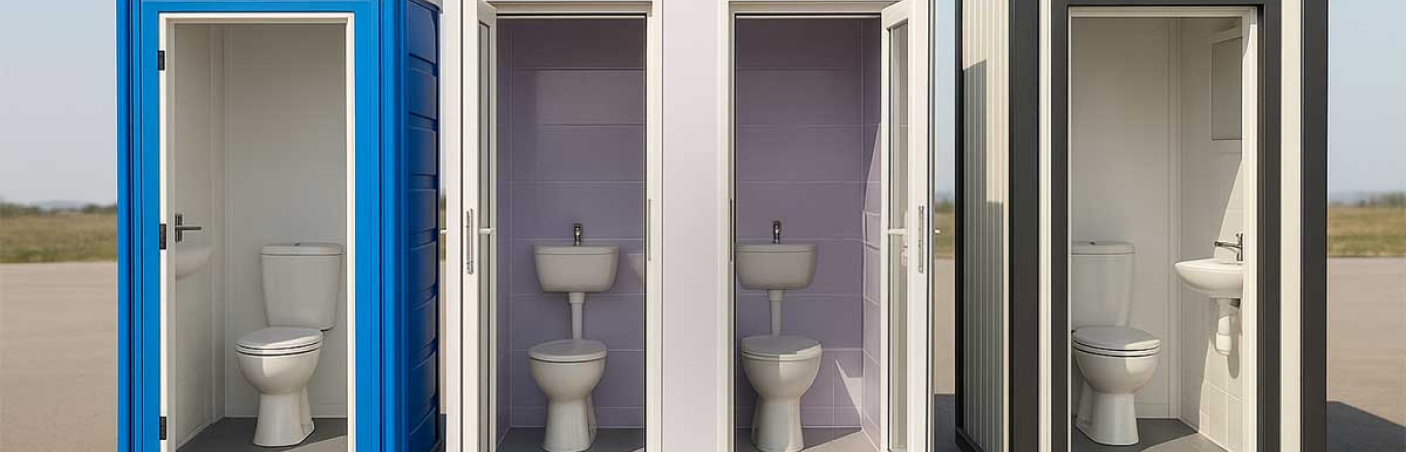
The climate emergency is no longer a distant concern. Extreme weather events, floods, earthquakes, and other natural disasters are affecting communities more often, and when they do, the damage goes far beyond what is immediately visible. In these situations, protecting health and maintaining basic hygiene becomes just as important as restoring physical safety.
When disaster strikes, traditional sanitation systems are often damaged, inaccessible, or completely unusable. That is exactly why portable toilets become such a critical part of emergency response. They provide an immediate sanitation solution where it is needed most, helping both affected communities and relief teams operate in safer and more dignified conditions.
In real emergency scenarios, sanitation should never be treated as a secondary issue. Poor hygiene after a disaster can quickly create new health risks, especially in crowded temporary shelters, public aid zones, and field response areas. Portable toilets help prevent that gap from turning into a larger public health problem.
The Importance of Portable Toilets in Disaster Relief Operations
Portable toilets are essential in disaster relief because they help preserve hygiene and protect public health during unstable conditions. The source article strongly emphasizes that in the chaos following a disaster, maintaining hygiene is fundamental, especially when conventional facilities are compromised.
Without proper sanitation facilities, people may be forced to rely on unsafe waste disposal methods. This can increase contamination risks, worsen already difficult living conditions, and in severe cases contribute to the spread of disease. Providing safe, mobile toilet access is therefore not only a practical decision, but a health protection measure.
Portable toilets also support something that is often overlooked during emergency planning: dignity. People affected by floods, earthquakes, or other natural disasters need more than temporary shelter. They also need access to clean, usable facilities that help restore a minimum sense of order and humanity during extremely difficult moments.
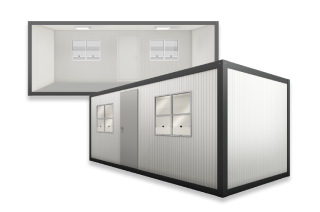
In broader response planning, sanitation units are often more effective when combined with supporting field infrastructure such as office cabin solutions, which can be used as coordination points, staff units, or temporary management spaces in affected areas.
Portable Toilets for Emergency Response: What Makes Them So Valuable?
One of the clearest points in the original Italian article is the importance of rapid installation. In emergency situations, people cannot wait for conventional infrastructure to be restored. Sanitation needs are immediate, and the response must be just as immediate.
That is where portable toilets offer a real operational advantage. They can be transported quickly, installed with minimal delay, and used right away by emergency workers and displaced populations. Speed is one of the reasons they are so indispensable in disaster response.
Another reason is resilience. Portable toilets used in emergency operations are expected to perform in difficult environments and adverse weather conditions while still offering basic comfort, practicality, and hygiene. The Italian source also highlights that different types of mobile toilets, from standard to more advanced options, can support different recovery settings and user needs.
In field environments where flexibility matters, complementary structures such as polyester cabin solutions or modular cabin units can also help create more organized service areas around temporary hygiene installations.
Hygiene Management During Emergencies Is Critical
The source page places strong emphasis on hygiene management during disasters, especially when access to potable water and sanitation services is limited. In those conditions, the risk of infection rises quickly and can undermine wider relief efforts if not addressed early.
This is why mobile hygiene infrastructure matters so much. Portable toilets do not just solve an immediate logistical problem. They help create safer conditions in places where people are already vulnerable. Good hygiene management in emergencies helps reduce secondary harm, which is often one of the biggest challenges in post-disaster environments.
For response teams working in temporary camps, logistics hubs, and aid points, sanitation should be considered part of essential infrastructure, not an optional add-on. The more prepared and functional the environment is, the more effective relief operations become.
Handwashing Stations: Prevention and Safety in High-Risk Areas
Another important part of the original article is the role of handwashing. It states clearly that washing hands remains one of the most effective ways to reduce the spread of viruses and bacteria, especially in emergency conditions and high-density areas.
That is why handwashing stations should ideally be integrated into portable toilet planning. In reception camps, aid distribution zones, and temporary settlement areas, these units provide immediate access to water and hygiene products. This simple addition can make a major difference in maintaining sanitary standards when many people are sharing limited space.
Portable toilets supported by handwashing stations create a more complete hygiene system. Rather than addressing one isolated need, they help establish a practical sanitation network that serves both disaster survivors and field personnel.
The Importance of Mobile Toilets in Relief Operations
The original article also frames mobile toilets as a central part of emergency management strategy, not just as a convenience product. Their value comes from several practical advantages: better hygiene, improved accessibility, and fast deployment.
These advantages are especially important in situations where time pressure is high and conditions are unpredictable. Mobile toilets can help relief teams establish functional service areas quickly, while also making day-to-day survival conditions safer for affected communities.
In some emergency settings, it is also necessary to combine sanitation with secure, controlled field structures. For example, security kiosk may support organized access control in temporary operation zones, while the anvi vandal kiosk can be relevant where durability and resistance are priorities.
This kind of integrated field planning is where Karmod Kiosk can naturally fit into the wider picture, particularly in organized emergency environments that require both sanitation support and protective operational structures.
Why Portable Sanitation Must Be Part of Disaster Preparedness
One of the strongest takeaways from the reference article is that mobile hygiene infrastructure is an essential part of emergency response. Portable toilets, handwashing stations, and sanitation support systems should be considered basic requirements in disaster preparedness plans, not last-minute additions.
The reason is simple: when permanent systems fail, mobile systems must take over. If those systems are not ready or available, the consequences can extend beyond inconvenience into serious health and operational problems. Preparedness means thinking about hygiene before conditions deteriorate further.
This also explains why temporary field structures should be planned as a complete ecosystem. In more sensitive or controlled locations, solutions such as bullet resistant guard booths may become part of a broader emergency setup alongside mobile sanitation units. In that sense, Karmod Kiosk is not just relevant as a brand name, but as part of a practical, field-ready response approach.
Portable toilets are essential during natural disasters because they answer one of the most urgent needs that appears when normal infrastructure fails: safe sanitation. The Italian source makes this point consistently by linking portable toilets to hygiene protection, disease prevention, rapid deployment, user dignity, and overall emergency efficiency.
In emergency conditions, these units do much more than provide temporary convenience. They help maintain public health, support relief operations, and create safer environments for everyone involved. That is why portable toilets are not simply useful during disasters—they are indispensable.

 GRP Kiosk Cabin
 Sandwich Panel Cabin
 Metro City Cabin
 Kompo City Cabin
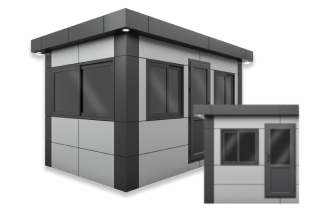 Metro Lux Cabin
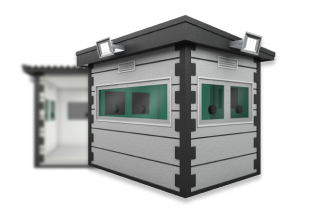 Armored Cabin
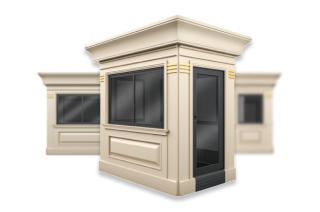 Precast Cabin
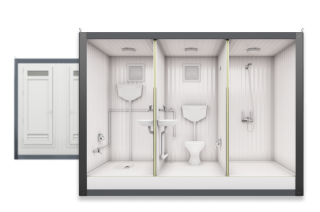 Wc - Shower Cabin
 Economic Container
 +90 (216) 321 3221
 info@karmodkiosk.com