Managing a remote worksite in the UK brings challenges that are rarely encountered in a conventional office. Project teams may be working miles from the nearest town, with limited access to electricity, unreliable mobile coverage and no permanent buildings nearby. Yet essential administrative tasks still need to be completed, from reviewing technical drawings to coordinating contractors and recording daily progress.
A portable office cabin can provide a dedicated working environment in these circumstances. Rather than relying on vehicles, temporary shelters or distant facilities, teams have an enclosed space where they can organise equipment, hold discussions and manage site operations.
The success of the installation depends on choosing a cabin that suits the location, workforce and expected project duration.
Where Are Portable Office Cabins Most Useful?
Remote office cabins are relevant to a wide range of UK industries.
Civil engineering teams may require an administrative base beside a road improvement scheme. Renewable energy contractors might need temporary office accommodation during wind farm construction, while utility companies may establish working compounds near water, electricity or telecommunications infrastructure.
Agricultural projects, environmental surveys and infrastructure maintenance programmes can present similar requirements.
In each case, the office needs to support the people working on site without introducing unnecessary installation complexity.
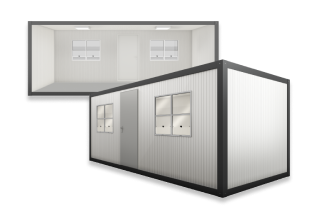
A compact Mobo Cabin can be considered for projects requiring adaptable enclosed accommodation for supervision, administration or other operational activities.
Its suitability should be assessed against the number of occupants, the required equipment and the site's physical constraints.
Remote Site Access Can Determine the Cabin Choice
Before choosing a portable office, it is important to establish whether the proposed structure can actually reach the installation area.
Rural worksites may be accessed through narrow lanes, temporary tracks or routes with limited turning space. Overhead cables, bridges and soft ground can create additional restrictions.
Delivery planning should therefore begin before the cabin dimensions are finalised.
A site assessment may need to establish the available unloading area, ground conditions and any lifting equipment required.
The supporting surface must also be suitable for the cabin and its intended use. Depending on the location, ground preparation or an appropriate foundation arrangement may be necessary.
A smaller structure that can be positioned safely may offer greater practical value than a larger unit that creates transport difficulties.
Creating an Office That Supports Daily Site Management
A remote office usually performs several functions within a limited space.
Site supervisors may need to complete reports, hold briefings, communicate with subcontractors and review plans. The layout should make these activities possible without constantly rearranging furniture.
For a single occupant, a desk positioned near natural light may provide a straightforward working arrangement.
For small teams, perimeter workstations can preserve central circulation space and allow occasional meetings.
Storage is particularly important at remote sites. Technical documents, protective equipment, chargers and personal belongings can quickly overwhelm a compact office.
Lockable cupboards and designated equipment areas help keep working surfaces clear.
Where the operation requires a small administrative point rather than a conventional office layout, a GRP Kiosk Cabin may be another option to evaluate, particularly for compact outdoor applications.
The final configuration should be based on the actual tasks and equipment involved.
Power Supply and Internet Connectivity
Remote locations cannot always rely on convenient utility connections.
The electrical requirements should be calculated before installation, taking account of computers, monitors, heating, lighting and other equipment.
Where mains electricity is unavailable, an alternative supply may be required. Any generator, battery or other power arrangement should be appropriately specified and installed.
Connectivity presents a separate challenge.
Mobile coverage can vary significantly across rural parts of the UK. A location with adequate reception outdoors may offer unreliable connectivity inside a building.
Testing the intended connection at the actual site can help identify whether additional equipment or an alternative service is needed.
For teams using cloud-based drawings and video meetings, reliable connectivity is an operational requirement rather than an optional convenience.
Weather Protection in Exposed UK Locations
Remote worksites are frequently exposed to wind, rain and changing temperatures.
A cabin positioned on an open hillside or infrastructure compound may experience very different conditions from one installed in a sheltered industrial estate.
The building specification should therefore consider insulation, glazing, door seals and roof drainage.
Heating is particularly important during winter, when employees may need to work inside the cabin for extended periods.
Ventilation remains necessary even in cold weather, while summer conditions can create overheating risks in compact spaces containing electronic equipment.
The appropriate combination of insulation, heating and ventilation helps create a usable workplace throughout the year.
Welfare Facilities Should Be Planned Separately
An office cabin provides working accommodation, but it does not automatically satisfy every staff welfare requirement.
Employees may also need toilets, hand-washing facilities, drinking water and somewhere suitable to rest and eat.
At remote worksites, these arrangements can require additional planning because permanent facilities may be unavailable.
A Portable Toilet Kiosk can be considered as part of the site's sanitation provision, subject to appropriate servicing, accessibility and the applicable UK requirements.
For construction projects, welfare arrangements should be established from the beginning of the work rather than introduced after the site becomes occupied.
The number of employees, working hours and distance from other facilities all influence what is appropriate.
Security and Maintenance at Unattended Sites
Remote office cabins may remain unattended overnight or during weekends.
Security planning should therefore include suitable door locks, equipment storage and access arrangements.
Valuable electronic equipment and confidential documents should not be left unnecessarily exposed.
Maintenance is equally important.
Regular checks of doors, windows, seals and drainage can help identify damage caused by weather or intensive use.
The office should also be positioned where routine inspection and servicing can take place without disrupting active operations.
Planning for Relocation and Changing Project Requirements
Remote projects rarely remain static.
As construction or maintenance activities progress, the workforce may move to another part of the site. In some cases, the office itself may need to be relocated.
This possibility should influence the initial selection.
Transport requirements, utility connections and internal equipment should all be considered with future changes in mind.
Flexible furniture can also make it easier to accommodate additional staff or different administrative tasks.
A portable office cabin offers the greatest value when it is planned as part of the wider operational infrastructure.
For remote UK worksites, the right solution combines safe access, practical workspace design, suitable utilities and dependable weather protection. By addressing these requirements before installation, project teams can create an effective administrative base without depending on permanent premises.

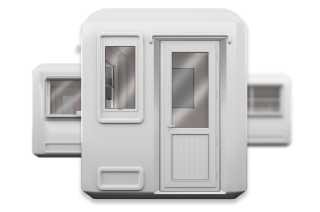 GRP Kiosk Cabin
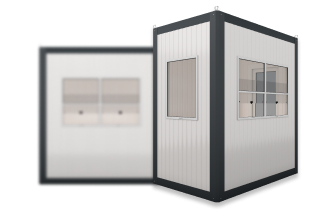 Sandwich Panel Cabin
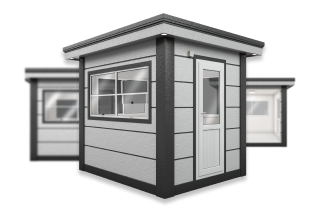 Metro City Cabin
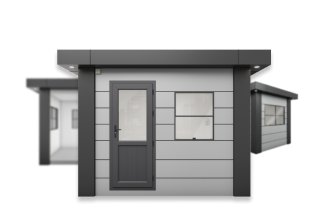 Kompo City Cabin
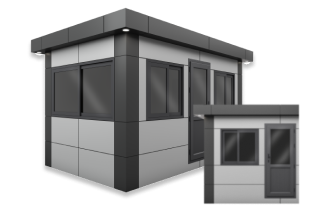 Metro Lux Cabin
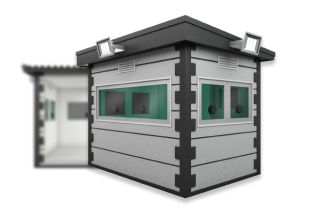 Armored Cabin
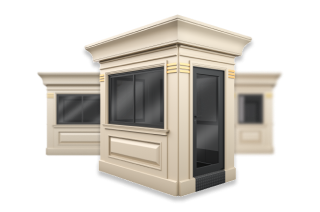 Precast Cabin
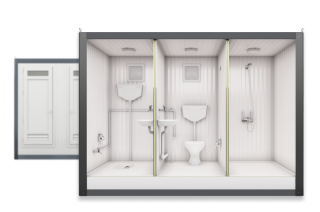 Wc - Shower Cabin
 Economic Container
 +90 (216) 321 3221
 info@karmodkiosk.com
