A portable office cabin can be a surprisingly effective workplace when its interior is designed around the people using it. Whether it supports a construction manager, an engineering team or an administrative employee, the space needs to make everyday tasks easier rather than simply provide somewhere to sit.
Small offices present particular design challenges. Furniture can dominate the available floor area, storage may be limited and conversations can interrupt colleagues working only a few feet away.
For businesses across the UK, creating a productive portable office means paying attention to how employees move, communicate and concentrate throughout the day.
The most useful improvements are not always the most expensive. Thoughtful furniture positioning, appropriate lighting and a clear separation between activities can make a substantial difference.
Productivity Begins Before Furniture Is Installed
The first question should be simple: what work will take place inside the cabin?
An office used for occasional paperwork has different requirements from one occupied throughout the working week.
A site manager may need a computer, telephone, document storage and space to review drawings. A customer-facing administrative point may need a counter and comfortable visitor interaction area.
Some businesses require a flexible structure capable of supporting several different activities as projects develop.
A Mobo Cabin can be considered for adaptable office and operational applications where the internal arrangement needs to reflect changing requirements.
Before selecting furniture, identify the equipment that must remain permanently installed and the activities that require the most space.
This avoids designing the office around items that are rarely used.
Design the Workstation Around the Employee
A productive office should allow employees to work comfortably without unnecessary reaching, twisting or awkward positioning.
The desk needs sufficient depth for a screen and keyboard, while leaving space for documents and other essential items.
An adjustable chair is particularly valuable where employees spend long periods working at a computer.
Screen height and viewing distance should also be considered.
In the UK, employers have responsibilities under the Health and Safety (Display Screen Equipment) Regulations where the requirements apply.
Appropriate workstation assessments can help identify unsuitable seating, poor screen positioning and other avoidable problems.
A compact office does not need oversized furniture. It needs furniture that suits the work.
A Better Approach to Small-Space Layouts
Rather than dividing the cabin into as many workstations as possible, consider the relationship between individual tasks and shared activities.
For one employee, a desk along a side wall can leave the centre of the room clear.
For two people, separate workstations may reduce interruptions and provide more personal working space.
Where occasional meetings take place, a small shared table can be more useful than a permanently oversized conference desk.
Movement also matters.
Employees should be able to reach doors, storage and equipment without repeatedly asking colleagues to move their chairs.
A good layout creates a natural working rhythm rather than forcing people to work around obstacles.
Use Daylight Without Creating Screen Glare
Natural light can make a small office feel more pleasant and spacious.
However, direct sunlight falling on computer screens may create reflections and visual discomfort.
Where possible, desks should be positioned so that windows sit to the side of the screen rather than directly behind it.
Blinds or other appropriate shading can provide additional control.
British daylight conditions vary significantly throughout the year, so artificial lighting remains important.
During winter, employees may rely on it for much of the working afternoon.
Combining general illumination with adjustable task lighting allows the space to support both computer work and detailed paperwork.
Keep Administrative Work Separate from Visitor Enquiries
Some portable offices also serve as points of contact for visitors, contractors or members of the public.
When these activities take place beside an employee's desk, interruptions can become frequent.
A dedicated enquiry area can help protect concentration.
For sites with substantial visitor-facing activity, an Information Kiosk may provide a separate location for directions, enquiries or other public information functions.
This can be particularly relevant at large construction compounds, transport facilities and temporary operational sites where visitors need guidance.
Separating public interaction from detailed administrative work allows both functions to operate more efficiently.
Control Noise Without Isolating the Team
Noise is often overlooked when planning portable offices.
Construction equipment, vehicle movements and nearby conversations can make telephone calls or detailed work difficult.
The cabin's wall construction, glazing and door seals can influence external noise levels.
Internally, soft furnishings and suitable acoustic materials may help reduce reverberation, depending on the building specification.
For shared offices, simple operational arrangements can also be effective.
Employees might use headsets for calls, reserve a separate area for meetings or agree when particularly noisy activities should take place.
The aim is not complete silence. It is to prevent avoidable interruptions.
Storage Should Support the Workflow
In a small office, clutter is more than an appearance problem.
When documents, cables and personal belongings occupy the main work surfaces, employees have less space to complete their tasks.
Storage should therefore be designed around how frequently items are needed.
Daily equipment belongs near the workstation.
Archived paperwork and occasional-use materials can be stored in cupboards or shelving away from the desk.
Lockable storage may be appropriate for confidential documents and valuable equipment.
Wall-mounted shelves can help preserve floor space, provided they are installed safely and do not obstruct movement.
Choosing Materials for Everyday Use
Portable offices may experience frequent movement, regular cleaning and changing environmental conditions.
The structure should therefore be suitable for the intended level of occupancy.
A GRP Kiosk Cabin may be worth evaluating for compact office applications where weather-resistant construction and a practical prefabricated format are priorities.
However, the choice should consider the specific insulation, glazing, ventilation and internal layout available.
Durability matters, but a robust exterior alone does not guarantee a comfortable workplace.
Temperature, Fresh Air and Employee Comfort
A productive office should remain usable throughout the British seasons.
Cold winter temperatures can make desk work uncomfortable, while strong sunlight and electronic equipment may contribute to overheating in summer.
Appropriate insulation helps manage heat transfer, but heating and ventilation should be planned together.
Fresh air is important even when the cabin is being heated.
The location of windows and ventilation openings should also consider nearby dust, exhaust emissions and other site activities.
Where employees occupy the office for extended periods, suitable access to drinking water, toilets and rest facilities remains essential.
Make the Office Adaptable
Portable offices are often used during projects where staffing levels and responsibilities change.
A layout that works for one employee may need adjustment when another person joins the team.
Modular furniture, movable storage and carefully planned electrical connections can make changes easier.
The office should also accommodate evolving technology without creating a collection of extension leads and exposed cables.
Planning for flexibility does not mean leaving the interior unfinished. It means avoiding arrangements that make simple future changes unnecessarily difficult.
A Productive Portable Office Is Designed Around People
The most effective portable office cabins are not necessarily the largest or most elaborate.
They are the ones that make everyday work straightforward.
For UK businesses, this means combining comfortable workstations, practical storage, controlled lighting and appropriate environmental conditions with a layout suited to the tasks being performed.
Separating visitor enquiries from focused office work can reduce interruptions, while adaptable furniture can help the space remain useful as operational requirements change.
By treating the cabin as a genuine workplace rather than temporary accommodation, businesses can create an organised environment that supports productivity throughout the working day.

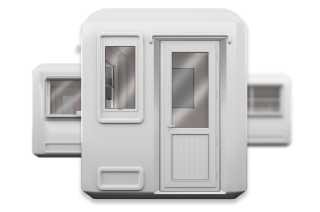 GRP Kiosk Cabin
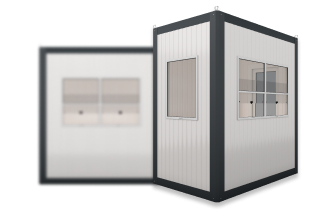 Sandwich Panel Cabin
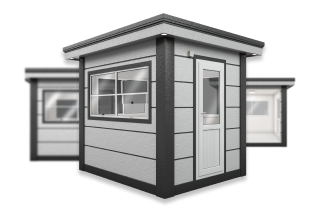 Metro City Cabin
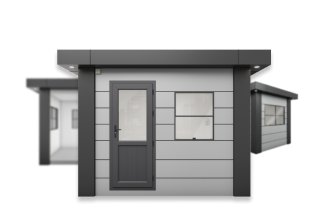 Kompo City Cabin
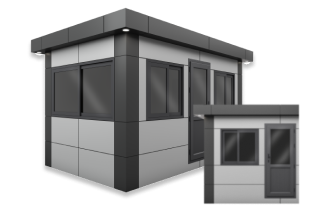 Metro Lux Cabin
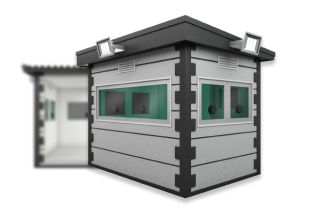 Armored Cabin
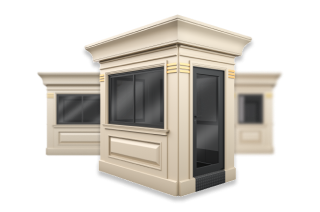 Precast Cabin
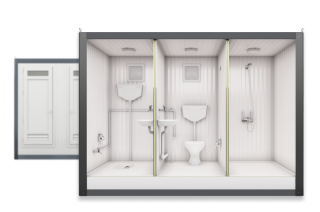 Wc - Shower Cabin
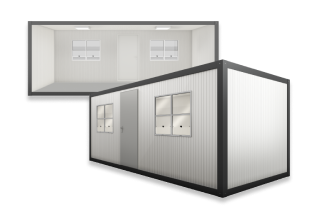 Economic Container
 +90 (216) 321 3221
 info@karmodkiosk.com
