An office cabin needs to provide a comfortable working environment throughout the year, whether it is installed on a construction site, at an industrial facility or within a temporary business compound. In the UK, where winter temperatures, persistent rainfall and strong winds can affect outdoor buildings, insulation and heating are particularly important considerations.
A poorly insulated office cabin may lose heat quickly, creating uncomfortable conditions for employees and increasing energy consumption. However, simply installing a powerful heater is not always the most effective solution. The performance of the walls, roof, floor, windows and ventilation system all influence how well the building maintains a suitable internal temperature.
Understanding these elements can help businesses choose a portable office cabin that remains practical during colder months without compromising comfort or energy efficiency.
Why Insulation Matters in Portable Office Cabins
Unlike offices within larger commercial buildings, portable cabins are often exposed to outdoor conditions on every side.
This means heat can escape through several parts of the structure simultaneously.
The roof, walls and floor all contribute to heat loss, while windows and doors can create additional weak points if they are poorly specified.
Effective insulation reduces unwanted heat transfer and helps maintain a more stable internal environment.
For employees working at desks throughout the day, this can make a noticeable difference. A cabin that maintains its temperature consistently is generally more comfortable than one that becomes cold shortly after the heating switches off.
Insulation can also reduce the demand placed on heating equipment, although actual energy savings depend on the building specification, usage patterns and local conditions.
Understanding the Main Sources of Heat Loss
Walls and Roof
The walls and roof make up a substantial proportion of a cabin's external envelope.
Their thermal performance depends on the materials used, insulation thickness and construction details.
When comparing office cabins, businesses should examine the available insulation specifications rather than assuming all prefabricated structures perform equally.
Thermal performance is commonly expressed using U-values. A lower U-value indicates less heat transfer through the relevant building element.
Floors
Floor insulation is particularly important for cabins installed above exposed ground.
Without suitable insulation, the floor may feel cold even when the air temperature is comfortable.
This can be especially noticeable for employees who remain seated for extended periods.
The floor construction and supporting arrangement should therefore be considered alongside the walls and roof.
Windows and Doors
Glazing allows natural light into the office but can also contribute to heat loss.
Suitable glazing, effective seals and properly fitted doors can help improve thermal performance.
Frequently opening the entrance door may also allow cold air into the workspace, particularly at busy construction sites.
Choosing an Office Cabin for British Weather
The appropriate cabin specification depends on the location and intended use.
An office occupied occasionally during summer has different requirements from a structure used throughout winter on an exposed infrastructure project.
For businesses considering adaptable portable accommodation, a Mobo Cabin may provide a starting point for evaluating a compact working environment.
However, the actual insulation, heating compatibility and ventilation arrangements should be confirmed before selecting a model.
A cabin installed in a sheltered commercial compound may experience less wind exposure than one positioned in an open rural location.
Site conditions should therefore influence the final specification.
Which Heating System Is Suitable for an Office Cabin?
There is no single heating system that suits every portable office.
The most appropriate choice depends on the cabin's dimensions, insulation, available electricity and expected occupancy.
Electric Panel Heaters
Electric panel heaters are commonly considered for compact offices because they can provide controlled heating without requiring a complex central heating installation.
Thermostatic control allows employees to adjust the temperature according to working conditions.
The electrical supply must be suitable for the equipment installed.
Heat Pump Systems
An appropriately specified air-to-air heat pump may provide efficient heating and, where designed for it, cooling during warmer weather.
Installation requirements, external unit positioning and maintenance should be considered before choosing this option.
Portable Heating Equipment
Portable electric heaters may be useful in certain circumstances, but they require careful placement and safe operation.
They should not obstruct circulation routes or be positioned where combustible materials could come into contact with hot surfaces.
The heating arrangement should be assessed as part of the wider workplace safety requirements.
Why More Heating Does Not Always Solve the Problem
When an office cabin feels cold, increasing the heater output may appear to be the easiest solution.
However, this approach can be inefficient if the building is losing heat through poorly insulated surfaces or uncontrolled draughts.
A better starting point is to identify the cause of discomfort.
Cold air entering around doors, insufficient floor insulation or excessive heat loss through glazing may all contribute.
Addressing these issues can improve comfort without relying entirely on higher heating demand.
For a compact GRP Kiosk Cabin being considered for office or administrative use, the building envelope and available insulation options should be assessed against the intended occupancy and winter operating conditions.
The suitability of the structure should be established before deciding on the heating system.
Ventilation Is Essential Even During Winter
A well-insulated cabin still requires appropriate ventilation.
When several employees work in a compact space, indoor air quality can deteriorate if fresh air is insufficient.
Computers, lighting and other equipment may also contribute to internal heat.
Ventilation helps maintain a suitable working environment and can assist with moisture control.
However, opening windows continuously during cold weather may create uncomfortable draughts and increase heating demand.
The ventilation arrangement should therefore balance fresh air requirements with thermal comfort.
Where mechanical ventilation is installed, the system should be appropriate for the cabin's occupancy and intended use.
Preventing Condensation and Damp
Condensation can occur when warm, moisture-containing indoor air comes into contact with colder surfaces.
Windows, poorly insulated corners and areas with limited airflow may be particularly vulnerable.
Persistent condensation can damage finishes and create conditions that encourage mould growth.
Reducing the risk involves a combination of insulation, ventilation and appropriate heating.
Leaks should also be distinguished from condensation.
Water entering through damaged seals or roof components requires maintenance rather than simply increasing ventilation.
Regular inspection is especially important for cabins exposed to wind-driven rain.
Staff Welfare During Cold Weather
Thermal comfort is only one part of creating a suitable workplace.
Employees also need access to appropriate welfare facilities, including toilets, washing facilities and drinking water.
At remote or temporary locations, these arrangements may require separate accommodation.
A Portable Toilet Kiosk may be considered as part of a wider site welfare plan, subject to appropriate servicing and the applicable requirements.
UK employers should assess workplace temperature and welfare arrangements in accordance with relevant Health and Safety Executive guidance.
A heated office cabin does not replace the need for suitable facilities elsewhere on the site.
Managing Heating Costs Over Time
Heating costs depend on more than the type of heater installed.
Insulation performance, operating hours, temperature settings and maintenance all influence consumption.
For offices occupied during predictable working hours, suitable heating controls may help avoid unnecessary energy use when the building is empty.
Regular maintenance is also important.
Damaged door seals, poorly closing windows and obstructed ventilation openings can affect comfort and performance.
Businesses should assess the overall cost of operating the cabin rather than focusing exclusively on the initial purchase price.
Creating a Comfortable Office Cabin Throughout the Year
Effective office cabin heating begins with a suitable building envelope.
Insulated walls, roofs and floors, appropriate glazing and properly fitted doors all contribute to a more stable internal temperature.
Heating should then be selected according to the cabin's size, occupancy and available energy supply.
For UK worksites, ventilation and moisture management deserve equal attention because comfortable indoor conditions depend on more than warmth alone.
By evaluating insulation, heating, ventilation and maintenance together, businesses can create portable office cabins that support productive work during winter while remaining practical throughout the changing British seasons.

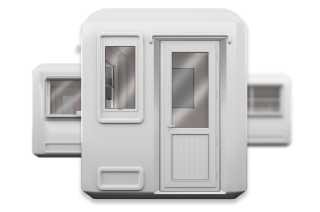 GRP Kiosk Cabin
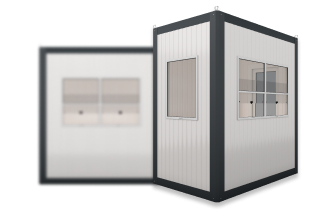 Sandwich Panel Cabin
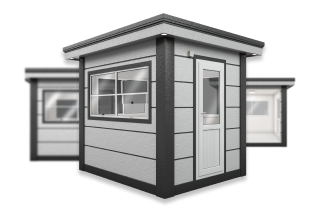 Metro City Cabin
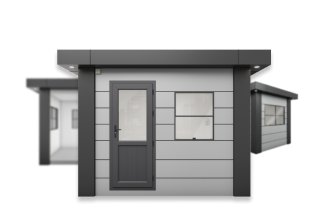 Kompo City Cabin
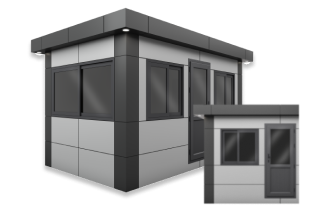 Metro Lux Cabin
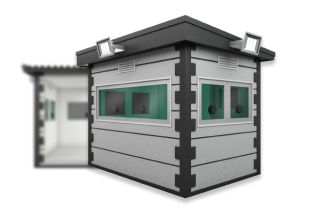 Armored Cabin
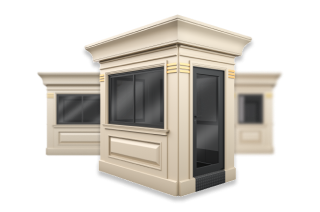 Precast Cabin
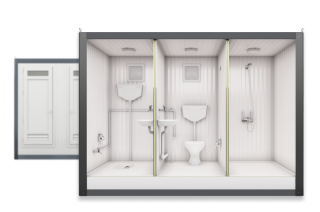 Wc - Shower Cabin
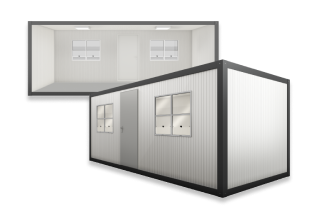 Economic Container
 +90 (216) 321 3221
 info@karmodkiosk.com
