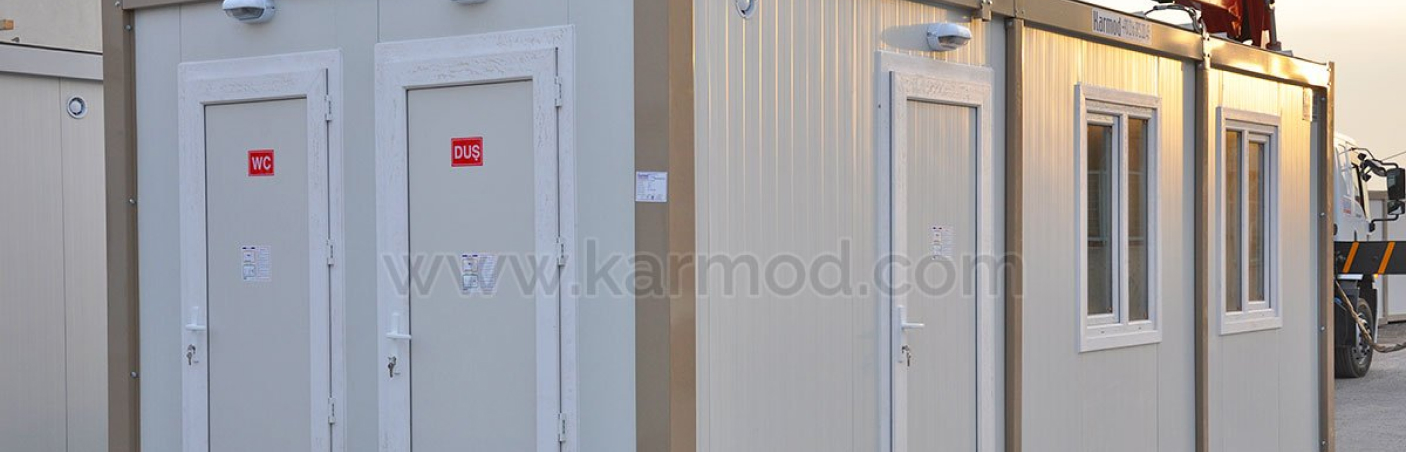
Campus safety is no longer defined only by cameras, locks, or patrol routes. In both higher education and K–12 environments, safety increasingly depends on how well a campus manages entry points, screens visitors, supports security teams, and documents procedures in a way that is operationally consistent. That is why access control booths have become an important part of modern campus planning. They create a visible checkpoint, support organized visitor handling, and help schools manage access in a way that feels both practical and professional.
In the U.S., this topic also connects to compliance and reporting expectations. For colleges and universities that participate in federal student aid programs, the Clery Act requires annual security reporting and published safety information, including policies and procedures related to campus safety. The U.S. Department of Education’s campus security resources and Clery materials make clear that institutions are expected to communicate security procedures and maintain an informed campus community.
An access control booth is not just a small building at the gate—it is a working part of the campus safety system that shapes how visitors are screened, how staff respond, and how the institution presents control at its perimeter.
Why Access Control Booths Matter on Campus
School and campus environments are different from many other properties because they combine openness with duty of care. Students, faculty, staff, contractors, parents, vendors, service providers, and guests may all move through the same site in a single day. Without a defined access point, that movement becomes harder to supervise.
An access control booth gives campuses a clear operational anchor. It provides a designated place for:
- visitor check-in
- identification review
- delivery coordination
- entry authorization
- staff communication
- incident escalation
This structure becomes especially valuable where a campus has multiple entrances, vehicle access, residence halls, athletic facilities, or mixed public-private use. Instead of relying only on passive barriers, schools can create a staffed entry process that makes visitor handling more deliberate and more consistent.
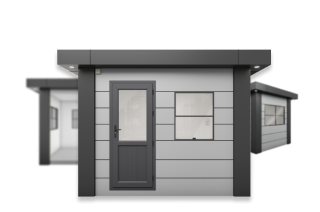
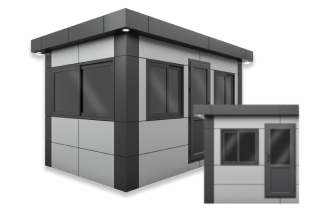
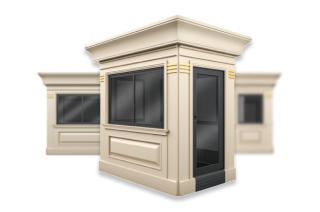
For institutions trying to make outdoor control points more usable, solutions like modular kiosks cabins fit naturally into this conversation because they support fast deployment and practical day-to-day use.
Visitor Handling Starts at the First Point of Contact
One of the biggest strengths of an access control booth is that it improves how campuses receive and process visitors. Many campus safety issues begin not with a major event, but with uncertainty: who is entering, why they are there, whether they are expected, and how they should be directed.
A properly designed booth helps reduce that uncertainty by giving staff a controlled point where they can:
- verify identity
- confirm destination
- issue visitor instructions
- direct traffic to the right building or parking area
- separate authorized guests from unknown walk-ins
- maintain a visible record of entry activity
This matters in both K–12 and higher education settings. Federal school safety guidance for K–12 emphasizes visitor access management as part of school security planning, and CISA/SchoolSafety.gov materials identify visitor management systems and visitor access management as key elements within broader school security efforts.
From an operational standpoint, this means the booth does more than slow people down. It helps the campus route people correctly and reduce avoidable confusion at the perimeter. In busy environments, that alone can improve safety and daily efficiency.
Supporting Security Presence Without Overcomplicating the Site
A campus can have strong written policies and still struggle if its security operations are too dispersed. Access control booths help solve this by creating a clear, visible post for entry supervision. They give security personnel a defined place to observe arrivals, communicate with colleagues, and respond faster when something unusual happens.
That visible presence can improve campus operations in several ways:
- it signals that entry is being monitored
- it gives visitors a clear place to report or ask questions
- it helps organize vehicle and pedestrian entry
- it supports quicker response to access issues
- it reduces reliance on improvised gatekeeping methods
For school and campus properties, physical access control is also recognized as part of broader facility protection. CISA’s facility access control best-practice guidance describes access control as covering the full process from employee and visitor entry through movement within the facility, reinforcing the idea that entry management should be structured rather than ad hoc.
A product such as an information kiosk also relates to this broader campus context because many entry points combine security functions with wayfinding and visitor assistance. On a school site, security and guidance often work best together rather than as separate processes.
The US Compliance Side: Why Process Matters
When institutions think about compliance, they often picture reports, policies, and internal documentation. Those things matter, but compliance also depends on whether the campus has operational systems that support those policies in practice.
For higher education institutions, Clery-related responsibilities include annual security reporting, safety policies, and timely communication expectations tied to campus security procedures. The Department of Education’s resources emphasize that campus safety information must be published and that institutions must address key security concerns facing campus communities.
That does not mean a security booth alone creates compliance. It means a booth can support compliance by helping schools operationalize important parts of their safety process, such as:
- controlled entry procedures
- visitor documentation
- clearer responsibility at access points
- more consistent security communication
- stronger coordination between field staff and campus safety leadership
For K–12 environments, compliance expectations are shaped more by state and local rules, district policy, emergency planning, and physical security guidance than by one single federal higher-ed framework. Still, federal K–12 security resources consistently point toward structured visitor management, layered security planning, and controlled access as part of safer school operations.
The real compliance value of an access control booth is not the structure by itself—it is the way the structure helps schools apply visitor policy, access rules, and security procedures more consistently every day.
Design Considerations for Campus Access Control Booths
Not every campus needs the same booth design. A university with multiple vehicle gates has different needs than a private school with one primary visitor entrance. But there are several design priorities that usually matter across both segments.
Key planning considerations include:
- visibility toward approaching vehicles and pedestrians
- room for identification checks and visitor interaction
- weather protection for year-round use
- communication access for security teams
- safe placement relative to gates, barriers, and walkways
- enough durability for heavy daily use
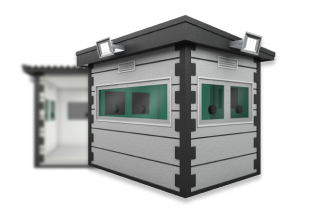
In some campuses, higher-impact protection may also be relevant depending on threat profile, traffic type, or perimeter design. Where security risk is elevated, a more reinforced solution like an armored cabin may become part of the conversation, particularly for sensitive facilities or high-control entry points.
The right booth should not feel like an isolated add-on. It should be part of a larger campus access strategy that includes staffing, routing, communication protocols, and emergency actions.
Where Access Control Booths Help Most on Campus
Access control booths are especially useful in areas where visitor flow and security responsibility overlap.
Common campus use cases include:
Main Vehicle Entrances
These are often the most important control points for checking visitors, vendors, and contractors before they move deeper into the property.
Residence Hall Access Zones
In higher education, residence-related entry points often require more controlled oversight, particularly where vehicle access and visitor traffic intersect.
Athletic and Event Areas
Large gatherings can temporarily change a campus’s risk profile. A defined control point helps schools manage guests, vendors, and service traffic more effectively.
Service and Delivery Points
Not every visitor arrives through the front door. Controlled service entries help prevent confusion and improve accountability.
Parent and Guest Check-In Zones
For K–12 schools especially, arrival and dismissal periods can become crowded. A booth can support orderly handling without creating unnecessary friction.
This is where Karmod Kiosk fits naturally. Campuses are not only looking for a shelter for a guard—they are looking for a controlled, durable, usable point that supports real visitor handling and daily safety operations.
Improving campus safety is rarely about one single product or one isolated policy. It comes from building systems that make visitor handling clearer, perimeter supervision more visible, and security procedures easier to apply in everyday conditions. Access control booths support exactly that kind of system.
They help campuses create a defined first point of contact, strengthen security presence, improve visitor handling, and give schools a more practical way to support policy execution at the perimeter. In the U.S., where safety expectations increasingly connect daily operations with reporting, planning, and documented procedures, that kind of structure has real value.
For schools, colleges, and universities that want a campus entry strategy that is more organized, more visible, and easier to operate, access control booths are a highly practical step. And for institutions evaluating modular options that support both security and usability, Karmod Kiosk belongs naturally in that conversation.

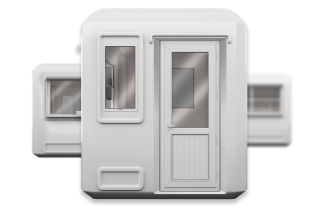 GRP Kiosk Cabin
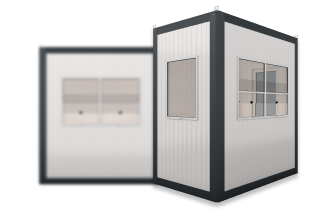 Sandwich Panel Cabin
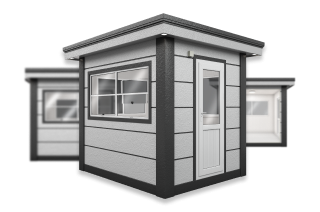 Metro City Cabin
 Kompo City Cabin
 Metro Lux Cabin
 Armored Cabin
 Precast Cabin
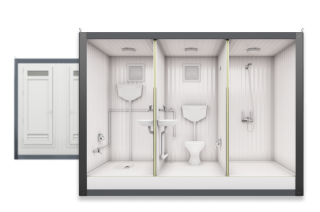 Wc - Shower Cabin
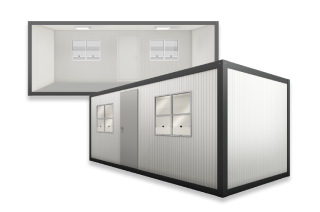 Economic Container
 +90 (216) 321 3221
 info@karmodkiosk.com