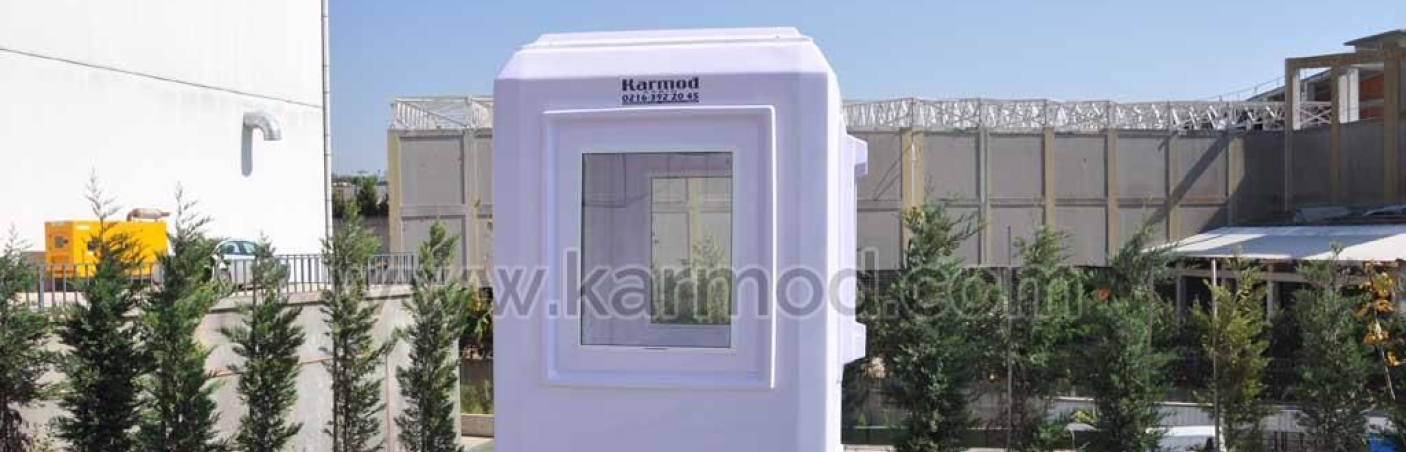
In modern sports environments, visibility changes everything. Coaches need a clearer view of player movement, team shape, spacing, and decision-making. Video teams need stable sightlines to capture training sessions, match footage, and performance clips without obstruction. At many facilities, the challenge is simple: ground-level viewing does not always provide the angle needed for useful analysis.
That is where sports observation towers become valuable. They offer an elevated position for coaching staff, analysts, and filming teams who need a broader and more accurate view of the field. Whether the setting is a soccer training ground, a football practice facility, a rugby field, or a multi-use sports complex, a properly planned observation tower can improve both performance review and day-to-day session management.
The key is to treat the structure as part of the sports operation, not just as an added platform. When designed well, an observation tower supports better analysis, cleaner footage, and more efficient communication between staff members.
A sports observation tower gives coaches and filming teams something ground-level viewing often cannot: a clearer tactical perspective with fewer visual limitations.
Why Elevated Viewing Matters in Sports Settings
At field level, coaches and filming teams often lose the bigger picture. Individual actions may still be visible, but spacing, defensive shape, transition patterns, and off-ball movement become harder to evaluate. This is especially true in team sports where the value of analysis depends on seeing relationships between players, not only isolated moments.
An elevated tower solves that problem by creating a more complete viewing angle. From above, staff can better track:
- team structure during live play
- movement patterns across wide areas
- pressing shape and defensive alignment
- transitions between attacking and defending
- player positioning relative to space
- training drill organization
This makes the tower useful not only during official matches, but also during training sessions, scrimmages, technical work, and player development reviews. In many cases, the quality of the view has a direct effect on the quality of the feedback.
For outdoor sports facilities that rely on flexible support structures, solutions linked to modular kiosks also reflect the same broader planning logic: practical structures should support daily operational use, not simply occupy space.
Coaching Use: Better Field Reading and Session Control
For coaches, an observation tower is most valuable when it improves understanding in real time. Many tactical problems are easier to spot from above than from the sideline. A coach standing at field level may see effort and intensity, but not always the full geometry of the team.
That is why elevated viewing helps with:
- assessing formation discipline
- checking line spacing
- reading build-up patterns
- spotting weak-side positioning
- evaluating transition reactions
- monitoring full-session structure
This becomes especially useful in training environments where repetition and correction happen quickly. Instead of relying only on video review after the session, staff can identify issues while the activity is still unfolding.
Observation towers can also support clearer communication between coaches. One staff member may work on the field while another watches from above, creating a more complete coaching setup. That combination often improves both session detail and broader tactical control.
In larger facilities, an information kiosk may also fit into the overall site strategy, especially where event coordination, visitor flow, or staff guidance share the same sports complex environment. In that sense, support structures should be planned as part of the facility ecosystem rather than as isolated units.
Filming Use: Why Height Improves Video Quality
Filming is one of the strongest practical reasons to use an observation tower. Performance footage is most useful when the angle is stable, wide enough to capture structure, and high enough to avoid constant visual obstruction. Ground-level filming often creates problems such as blocked sightlines, poor spatial depth, and footage that emphasizes the ball too narrowly instead of the entire action.
An elevated filming point helps solve that.
For sports filming teams, the benefits usually include:
- wider tactical coverage
- more consistent angle across sessions
- fewer obstructions from players or staff
- better training archive footage
- cleaner content for analysis and presentations
- improved material for recruitment or club media use
This is especially relevant for clubs, academies, schools, and sports centers that record sessions regularly. A tower gives the camera team a repeatable perspective, which makes video review more consistent over time.
It also supports different filming purposes at once. One session may need footage for coaching review, another for player development clips, and another for promotional or institutional use. A good tower setup makes all of those outcomes easier to achieve from one position.
For filming teams, elevation is not only about seeing more of the field—it is about capturing more usable footage for analysis, communication, and long-term review.
What to Consider When Designing a Sports Observation Tower
Not every sports facility needs the same tower design. The right structure depends on the type of sport, the size of the field, the number of users, and whether the tower will be used mainly for coaching, filming, or both. Still, several design priorities matter in most cases.
Important planning points include:
- viewing height relative to the field
- stability for safe standing or seated use
- enough room for coaches and camera equipment
- protection from weather
- safe access in and out of the tower
- visibility without structural obstruction
- durability for repeated outdoor use
If the tower is intended for video work, camera positioning should be considered early. The platform should allow enough space for tripods, controlled movement, and uninterrupted sightlines. If the structure is mainly for coaching, comfort and visibility may be a bigger priority than equipment capacity alone.
Material quality also matters. Sports environments require outdoor durability, low-maintenance surfaces, and practical use across changing weather conditions. A structure that feels temporary or unstable will quickly lose value in daily operations.
Where Observation Towers Make the Biggest Difference
Sports observation towers are especially useful in environments where tactical visibility and repeat filming are part of the routine.
Common use cases include:
Training Grounds
Daily coaching sessions benefit from a clearer view of team shape, spacing, and drill quality.
Football and Soccer Facilities
Large-field sports often require elevated sightlines to understand full-team movement.
School and College Sports Fields
Observation towers can support both coaching review and filming for performance development.
Multi-Use Sports Complexes
Facilities hosting several teams or activities benefit from fixed, organized viewing points.
Academy and Development Programs
Regular filming and analysis become more effective when the viewing angle stays consistent over time.
In these settings, the tower is not a luxury feature. It becomes part of the infrastructure that supports better evaluation and better communication. That is especially true where clubs or institutions want to professionalize their analysis process without relying on improvised filming positions.
For broader outdoor deployment needs, a solution such as a mobile kiosk cabins approach also reflects the value of flexible, site-adaptable structures. In sports environments, mobility and practical positioning can matter just as much as the structure itself.
Why Practicality Matters More Than Overdesign
One of the biggest mistakes in planning observation towers is making them more complicated than necessary. In most sports settings, staff do not need a visually dramatic structure. They need something functional, durable, easy to access, and suitable for repeated use.
A practical tower should do four things well:
- provide a reliable elevated view
- support safe and stable use
- fit naturally into the sports facility
- remain useful across different sessions and seasons
That simplicity is part of the appeal. When the structure is designed around real coaching and filming needs, it becomes easier to justify, easier to use, and easier to maintain. The goal is not to create a landmark. It is to create a working advantage for the people who rely on better viewing and better footage.
This is where Karmod Kiosk fits naturally into the conversation. Sports facilities are often looking for structures that are efficient, durable, and practical rather than overly complex. A modular approach supports that expectation well.
Final Thoughts
Sports observation towers matter because better visibility leads to better decisions. Coaches can read shape and spacing more clearly. Filming teams can capture more useful footage. Clubs and facilities can build a more consistent system for analysis, review, and player development.
That makes the tower far more than an elevated platform. It becomes a tool that supports coaching quality, filming accuracy, and everyday operational improvement across the sports environment.
For schools, academies, clubs, and sports complexes across the U.S., that is a practical advantage worth planning for. And for facilities looking for a more structured modular solution, Karmod Kiosk offers the kind of thinking that aligns outdoor usability with real performance needs.

 GRP Kiosk Cabin
 Sandwich Panel Cabin
 Metro City Cabin
 Kompo City Cabin
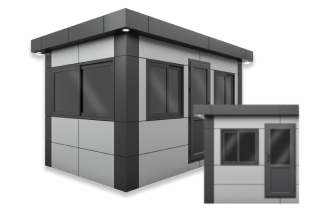 Metro Lux Cabin
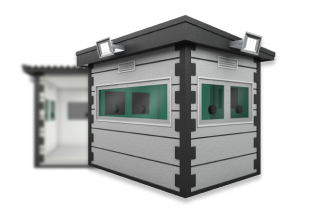 Armored Cabin
 Precast Cabin
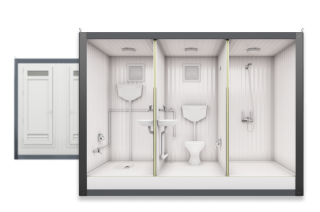 Wc - Shower Cabin
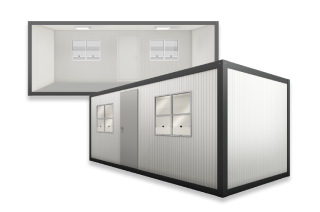 Economic Container
 +90 (216) 321 3221
 info@karmodkiosk.com