Outdoor events, visitor attractions, leisure facilities and seasonal destinations often need practical spaces from which food and drinks can be served without constructing a permanent café. A portable café cabin can provide a compact, purpose-designed environment for staff, equipment, storage and customer service while making efficient use of the available site.
For UK operators, however, choosing a café cabin involves more than installing a counter and a coffee machine. The unit needs to support the intended menu, staff workflow, customer demand and equipment requirements while performing reliably in changing British weather conditions.
The location of service hatches, electrical capacity, ventilation, internal finishes and storage can all influence how effectively the cabin operates.
Whether the unit will serve coffee at a visitor attraction, refreshments at a sports ground or takeaway food at an outdoor event, careful planning can create a more efficient working environment and a better experience for customers.
Where Can Portable Café Cabins Be Used?
Portable café cabins can suit a wide variety of commercial and leisure environments.
Potential locations include:
The operating model can vary significantly between these sites.
A coffee kiosk at a business park may experience concentrated demand during the morning and lunchtime. A cabin at a tourist attraction may serve customers more consistently throughout the day, while an event kiosk may need to handle very high volumes over short periods.
The cabin should therefore be planned around expected demand rather than simply around its physical location.
Start with the Menu
One of the most effective ways to plan a café cabin is to begin with what will actually be sold.
A unit serving hot drinks, bottled beverages and packaged snacks has relatively straightforward equipment requirements.
A more extensive food menu may require additional preparation surfaces, refrigeration, sinks, cooking equipment, extraction or dedicated storage.
Before choosing the cabin dimensions, operators should create a list of all major equipment.
This might include:
-
coffee machines;
-
grinders;
-
refrigerators;
-
freezers;
-
display units;
-
sinks;
-
water heaters;
-
microwaves;
-
ovens;
-
preparation counters;
-
point-of-sale equipment.
Once these items have been identified, the internal layout can be planned around them.
Trying to fit equipment into a cabin after the structure has already been selected can lead to restricted working space and inefficient staff movement.
Designing an Efficient Staff Workflow
Space inside a portable café is usually limited, which makes workflow particularly important.
Employees may need to take orders, prepare drinks, handle food, process payments and pass products to customers within a relatively small area.
The layout should minimise unnecessary movement.
For example, if the coffee machine is positioned at one end of the cabin while cups, milk and the service hatch are located at the opposite end, staff will repeatedly cross the workspace during busy periods.
A better approach is to organise equipment according to the order in which tasks are performed.
The same principle applies to food preparation.
Frequently used ingredients and utensils should be easy to reach without creating clutter around work surfaces.
Efficient planning can help a compact café perform effectively even during busy service periods.
Choosing the Right Cabin Structure
The structure needs to suit both the operating environment and the intended use.
For compact customer-facing applications, a GRP Kiosk Cabin can provide a practical starting point for creating a durable kiosk environment. GRP construction can be particularly useful where weather resistance, portability and straightforward maintenance are priorities.
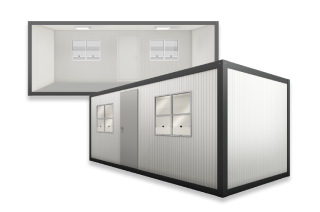
For larger layouts or projects where insulated wall construction and additional internal space are important, a Sandwich Panel Cabin can provide another option.
The most appropriate structure will depend on the size of the operation, equipment requirements, site conditions and expected period of use.
Planning the Service Hatch
The service hatch is one of the most important features of a takeaway café cabin.
Its size and position influence communication between staff and customers, the speed of transactions and the overall appearance of the kiosk.
A service opening should provide enough space for products to be passed comfortably without unnecessarily exposing the interior to wind and rain.
Counter height should also be considered.
The aim is to create an interaction point that feels natural for both staff and customers.
Where possible, payment and collection can be organised so customers do not block each other during busy periods.
For higher-volume operations, separate order and collection points may help improve customer flow.
Managing Queues Around the Cabin
The customer experience begins outside the kiosk.
A café cabin can have an efficient internal layout but still create operational problems if queues interfere with pedestrian routes.
Before installation, operators should consider where customers are likely to stand.
Queue areas should avoid:
At large events, barriers or clear signage may be useful for organising customer movement.
The service hatch should ideally face an area where sufficient queuing space is available.
Designing for British Weather
Outdoor catering in the UK means planning for variable weather.
Rain can affect customers waiting outside, while wind can make service through an exposed hatch uncomfortable for staff.
The position and orientation of the cabin should therefore be considered carefully.
Where practical, operators may want to incorporate:
-
canopies;
-
sheltered customer areas;
-
appropriate roof overhangs;
-
weather-resistant signage;
-
suitable external lighting.
The cabin itself should have appropriate seals around doors and windows and a roof system that manages rainfall effectively.
Outdoor materials should also be suitable for regular exposure to moisture.
Thermal Comfort for Café Staff
Food and beverage equipment can generate significant heat.
Coffee machines, refrigeration systems and cooking equipment can all influence the internal temperature.
This means café cabins require a slightly different approach to environmental comfort than a simple retail kiosk.
During winter, insulation can help maintain a comfortable working environment.
During warmer weather, equipment-generated heat may make ventilation particularly important.
The correct solution depends on the equipment installed and the number of employees working inside.
Operators should assess heating and ventilation together rather than treating them as separate issues.
Water and Drainage Requirements
Many café operations require a reliable water supply.
Sinks, hand-washing facilities, coffee machines and cleaning processes may all depend on water.
Wastewater also needs to be managed appropriately.
The required connections should therefore be identified before the cabin is installed.
The location of sinks and other water-dependent equipment should form part of the initial layout.
Retrofitting plumbing after the internal arrangement has been finalised can complicate the project and reduce available storage or workspace.
Electrical Capacity
Modern café cabins can contain a surprising amount of electrical equipment.
A single operation may need to power coffee machines, refrigerators, lighting, payment terminals, water heaters and other appliances simultaneously.
Electrical requirements should therefore be calculated according to the actual equipment list.
It is not enough to simply provide several sockets.
The installation needs appropriate capacity for the equipment expected to operate at the same time.
Planning this early also allows sockets to be positioned where they are genuinely useful.
This reduces the need for extension leads and helps create a cleaner working environment.
Food Hygiene and Easy-to-Clean Surfaces
Food hygiene should influence the choice of internal materials.
Work surfaces, wall finishes and floors should be suitable for regular cleaning.
Layouts should also minimise awkward gaps where dirt and food debris can accumulate.
Food preparation areas should be organised so staff can maintain clean working practices even during busy service periods.
Hand-washing provision is another important consideration where food is being handled.
The exact facilities required will depend on the type of operation and applicable requirements, so businesses should ensure their proposed setup is suitable for the food activities being carried out.
Storage Is Often Underestimated
A café may be compact, but it still needs storage.
Operators may need space for:
-
cups;
-
packaging;
-
napkins;
-
cleaning materials;
-
ingredients;
-
bottled drinks;
-
dry goods;
-
staff belongings.
Without sufficient storage, these items can quickly occupy worktops and circulation areas.
Vertical storage can be particularly valuable in smaller cabins.
Wall-mounted shelving and carefully planned cupboards can increase capacity without consuming excessive floor area.
However, storage should not interfere with windows, ventilation or staff movement.
Branding the Café Cabin
An outdoor café kiosk can become a highly visible part of a venue.
Its exterior should therefore support the business's identity.
Branding options might include:
-
exterior colours;
-
fascia signage;
-
logos;
-
menu boards;
-
window graphics;
-
promotional panels.
The visual design should make it clear what the kiosk sells before customers reach the service window.
At larger events or visitor attractions, strong visual identification can help the business stand out in a busy environment.
Menu information should also be easy to read from the normal queue position.
Card Payments and Connectivity
Many UK customers expect to be able to pay by card or contactless payment.
Reliable connectivity should therefore be considered when selecting the kiosk location.
Depending on the site, this might involve wired internet, Wi-Fi or mobile connectivity.
Operators should test connectivity rather than assuming adequate signal will be available.
This is especially important at rural visitor attractions, festivals and temporary outdoor locations where network performance may vary.
If the point-of-sale system depends entirely on internet access, poor connectivity can slow service significantly.
Lighting for Longer Trading Hours
Outdoor cafés may operate into the evening, particularly at events and seasonal attractions.
Internal lighting should provide a comfortable working environment while external lighting can make the service point easier to identify.
Lighting can also contribute to the appearance of the kiosk.
However, fixtures should be positioned carefully so that they do not create glare for employees or customers.
Illuminated menu boards and signage may be useful where the surrounding area becomes busy after dark.
Security When the Kiosk Is Closed
Café cabins often contain expensive equipment even when little or no cash is stored overnight.
Coffee machines, refrigeration equipment and point-of-sale technology can all have significant value.
Operators should therefore consider how the unit will be secured outside trading hours.
Measures may include:
The required level of security should reflect the location.
A kiosk inside a controlled venue may face different risks from a unit positioned in an accessible outdoor area overnight.
Planning for Seasonal Operation
Many outdoor cafés operate seasonally.
A visitor attraction may have its highest demand during spring and summer, while an event kiosk might only operate on selected dates.
Portable cabins can be useful in these situations because the physical unit can potentially be repurposed or relocated as requirements change.
However, seasonal operation should still be planned carefully.
Businesses should consider what happens to equipment, utilities and stock when the kiosk is not operating.
Maintenance should also continue during periods when the cabin is unused.
What to Consider Before Choosing a Portable Café Cabin
Before selecting a cabin, operators should answer several practical questions:
-
What food and drinks will be served?
-
How many staff will work inside?
-
What equipment is required?
-
How much electrical capacity will the equipment need?
-
Is a water supply required?
-
How will wastewater be managed?
-
Where will customers queue?
-
Does the site need weather protection around the service area?
-
How much storage is required?
-
Will the kiosk operate throughout the year or seasonally?
-
What level of security is required outside trading hours?
-
How will the cabin be branded?
Answering these questions before choosing the structure can prevent expensive compromises later.
Creating an Effective Portable Café for a UK Location
A successful portable café cabin needs to work for employees, customers and the wider site.
The best designs begin with the menu and operational workflow rather than the external appearance alone.
Equipment, water, drainage, electricity and storage should be planned first. Service hatches, customer queues and branding can then be designed around the way the café will actually operate.
For UK outdoor locations, weather protection and thermal comfort also deserve careful attention. Staff may need to work through cold mornings, wet afternoons and warmer summer periods, while customers expect service to remain efficient regardless of the conditions.
With the right structure and a carefully planned interior, a portable café cabin can provide a professional customer-facing space without requiring the footprint of a conventional café building.
The result should be a compact commercial environment that makes good use of the available space, supports efficient service and can adapt to the changing requirements of events, attractions and outdoor businesses.

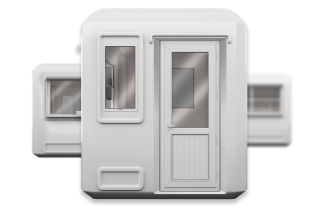 GRP Kiosk Cabin
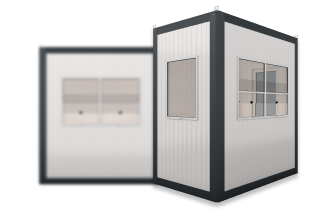 Sandwich Panel Cabin
 Metro City Cabin
 Kompo City Cabin
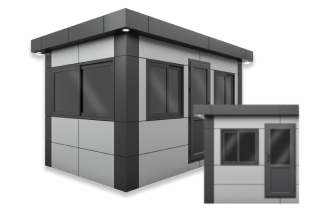 Metro Lux Cabin
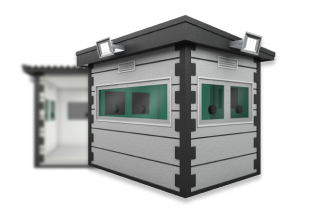 Armored Cabin
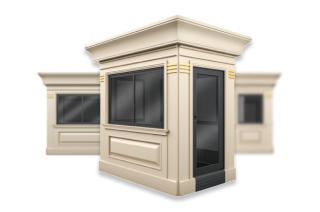 Precast Cabin
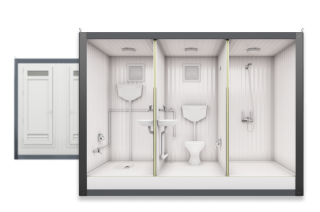 Wc - Shower Cabin
 Economic Container
 +90 (216) 321 3221
 info@karmodkiosk.com