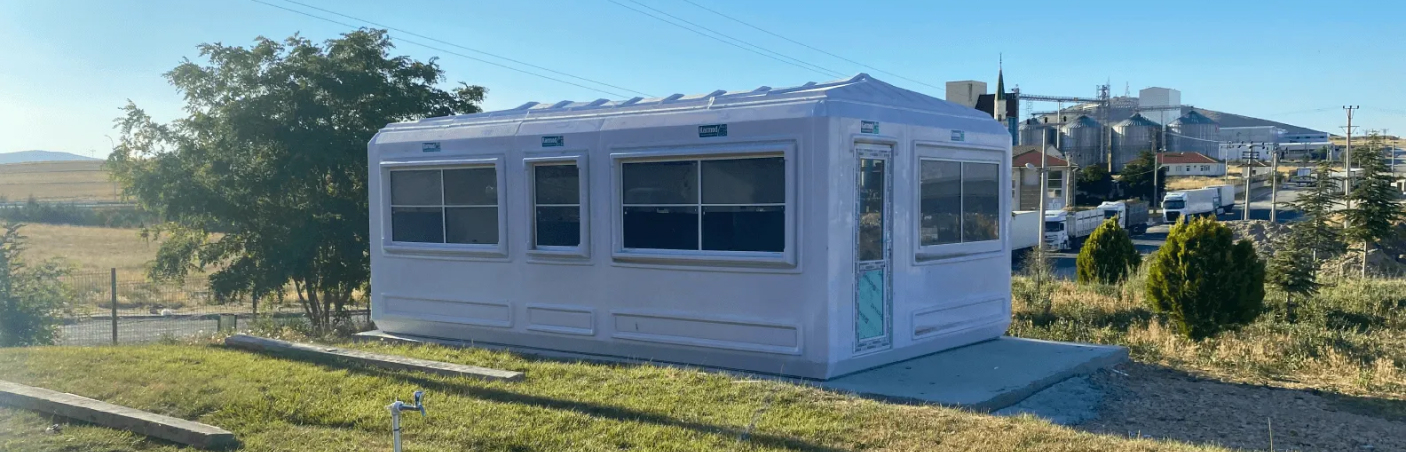
Healthcare facilities are under constant pressure to do more with the space they already have. Hospitals, outpatient clinics, urgent care centers, diagnostic units, and specialty treatment buildings all need to balance patient flow, staff coordination, privacy, administration, and safety within a limited footprint. Even well-designed facilities can start to feel crowded when reception functions expand, visitor control becomes more important, or new support needs appear without a full renovation plan.
That is where modular booth solutions become especially useful. Instead of turning every operational need into a permanent construction project, healthcare operators can use compact, purpose-driven structures to organize key functions more efficiently. A modular booth can support reception, screening, visitor handling, information flow, or staff coordination without occupying the same amount of space as a traditional room-based solution.
In healthcare environments, better space efficiency is not just about saving square footage—it is about making every part of the facility work more clearly and more effectively.
Why Space Efficiency Matters So Much in Healthcare
In most commercial settings, a crowded layout is frustrating. In healthcare, it can create much bigger problems. When patients, visitors, and staff all move through the same high-traffic areas, even small layout issues can lead to confusion, delays, noise, and operational inefficiency.
This is especially common in spaces such as:
- main entrances
- reception and registration zones
- waiting areas
- visitor screening points
- corridor-side staff stations
- temporary support or intake areas
Healthcare buildings also change over time. A facility may add new patient services, face seasonal volume increases, or rework circulation patterns after operational reviews. In many cases, the available space does not expand at the same speed as the need for additional functions.
That is why space efficiency in healthcare should be viewed as an operational priority, not just a design preference. The goal is not simply to fit more into less. The goal is to place the right function in the right footprint so the whole facility feels more controlled and easier to navigate.
What Modular Booth Solutions Actually Improve
A modular booth gives a facility a defined working point without requiring a full enclosed office or a large construction footprint. This is what makes the concept so practical in healthcare settings. Some tasks do not need an entire room, but they do need a dedicated, visible, and functional space.
That may include:
- visitor check-in
- patient guidance
- security supervision
- entry coordination
- information support
- registration overflow
- internal staff communication points
By assigning these functions to compact, purpose-built booth structures, healthcare operators can protect larger interior spaces for clinical use while improving the organization of front-facing and support activities.
This is where solutions like modular kiosks cabins fit naturally. They support a more structured use of space by creating practical operational points without forcing the facility into a more disruptive expansion process.
Reception and Entry Areas Benefit First
One of the biggest opportunities for better space efficiency is often at the entrance. This is where many facilities experience bottlenecks. Patients arrive, family members ask for directions, visitors check access rules, and staff try to keep movement organized. When too many of these interactions happen in one shared area, the result is clutter and confusion.
A modular booth can help by separating functions more clearly. For example, one point can handle reception-related flow while another manages visitor direction or access control. This reduces pressure on the main desk and gives staff a more defined operational role.
In practical terms, that can lead to:
- cleaner traffic flow near entrances
- less crowding at the main reception counter
- faster visitor orientation
- better control over who goes where
- more usable open space in shared front areas
For facilities that need a dedicated point for helping patients and visitors navigate the site, an information kiosk can be a very natural fit. In healthcare, wayfinding is not a minor convenience. It directly affects how efficiently people move through the building.
Better Use of Space Without Full Renovation
One reason modular booth solutions are appealing is that healthcare operators often need improvement without major disruption. A full renovation can be expensive, slow, and difficult to execute in an active care environment. In contrast, a modular structure offers a more flexible way to respond to operational needs.
That is especially helpful when a facility needs to:
- add a temporary support function
- improve screening at an entrance
- create a separate visitor handling point
- introduce better access control
- relieve pressure from a crowded desk or corridor area
- reorganize a zone without rebuilding it بالكامل
This kind of flexibility is valuable because healthcare spaces rarely stay static. A facility may need one arrangement today and a different one six months later. Modular planning allows operators to respond more practically without treating every change as a permanent architectural project.
For projects where cost control is especially important, the logic behind an economic container is also relevant. The priority is to create a useful, efficient operational solution without unnecessary complexity.
A modular booth improves space efficiency because it gives healthcare facilities a focused function in a smaller footprint, while freeing larger areas for the activities that need them most.
Where Modular Booths Add Value in Healthcare Facilities
Not every healthcare property needs the same booth layout, but several use cases appear again and again because they solve real space and workflow problems.
Visitor Handling
Hospitals and clinics often need a more controlled way to handle non-patient arrivals. A compact booth at or near an entrance can help separate visitor interaction from patient-facing registration processes.
Security and Access Supervision
In larger facilities, it is often useful to create a dedicated control point for monitoring movement, handling deliveries, or supporting restricted-access zones.
Patient Guidance
Patients and families often need help finding the correct department, floor, or service line. A clearly positioned booth can reduce confusion and relieve pressure on busy front desks.
Overflow Administrative Support
Some functions are necessary but do not require a full room. A modular booth can support short-term paperwork flow, check-in overflow, or coordination tasks during busier periods.
Temporary Operational Adjustments
During renovations, seasonal changes, or internal reorganizations, a modular structure can provide continuity without forcing the facility to compromise core care areas.
These are not theoretical use cases. They reflect the kinds of practical spatial issues healthcare facilities deal with every day.
Design Considerations for Healthcare Use
A booth for a healthcare environment should not feel generic. The setting demands a more careful balance between practicality, hygiene, staff comfort, and visual order. A poorly chosen structure can create more friction than value, so design decisions matter.
Important factors usually include:
- easy-to-clean surfaces
- clear visibility for staff and visitors
- appropriate privacy depending on function
- compact but usable interior layout
- durability for daily operation
- strong placement within patient and visitor flow
- a professional appearance that fits the healthcare environment
Material choice also matters. In many healthcare-adjacent applications, facilities need dependable enclosure quality, good insulation performance, and a structure that feels stable and purposeful rather than improvised. In that sense, a sandwich panel cabin can align well with facilities that need practical daily performance together with a more organized built appearance.
Better Space Efficiency Also Improves the Human Experience
Space efficiency is often discussed like a technical planning issue, but people feel its effects immediately. Patients notice when arrival areas are chaotic. Visitors notice when they do not know where to go. Staff notice when they are constantly interrupted because functions overlap in the same crowded zone.
When modular booth planning is done well, the benefits are visible across the whole facility:
- patient arrival feels more structured
- visitors get direction faster
- staff can work with fewer interruptions
- entrances feel less congested
- larger interior areas remain available for core care use
That makes space efficiency more than a back-end design goal. It becomes part of the patient and visitor experience. In healthcare, that matters because clarity, calmness, and good organization all contribute to how the facility is perceived.
This is where Karmod Kiosk fits naturally into the conversation. Healthcare operators are often not looking for “more construction.” They are looking for smarter ways to organize limited space without making the facility harder to manage.
Final Thoughts
Healthcare facilities need space to work harder than ever. They must support patient care, guide visitors, help staff coordinate efficiently, and remain flexible enough to adapt as operational needs change. That is why modular booth solutions are such a practical option.
They make it possible to assign important functions to smaller, more efficient footprints while preserving larger areas for clinical and high-priority use. They also help organize entrances, improve guidance, support security, and reduce unnecessary congestion in some of the busiest parts of the facility.
For hospitals, outpatient centers, clinics, and specialty care buildings, that is real value. Better space efficiency does not always require a major expansion. Sometimes it starts with placing the right structure in the right place. And for facilities looking for practical modular solutions that support this kind of smarter layout strategy, Karmod Kiosk belongs naturally in that discussion.

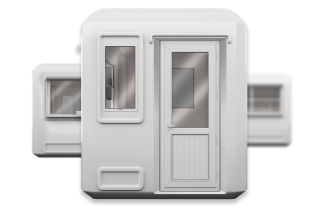 GRP Kiosk Cabin
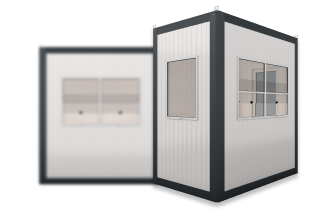 Sandwich Panel Cabin
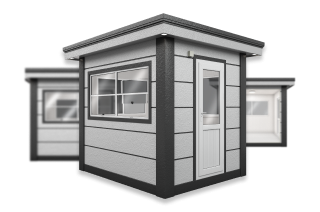 Metro City Cabin
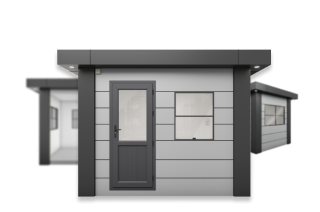 Kompo City Cabin
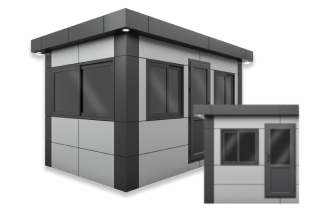 Metro Lux Cabin
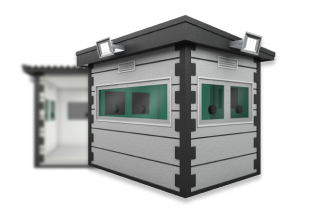 Armored Cabin
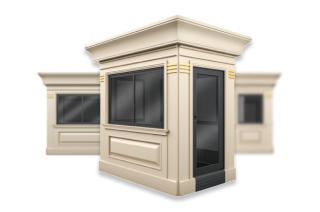 Precast Cabin
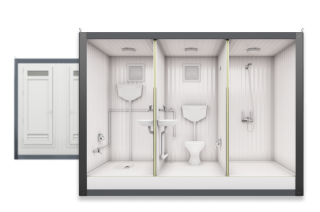 Wc - Shower Cabin
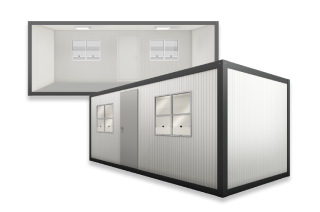 Economic Container
 +90 (216) 321 3221
 info@karmodkiosk.com