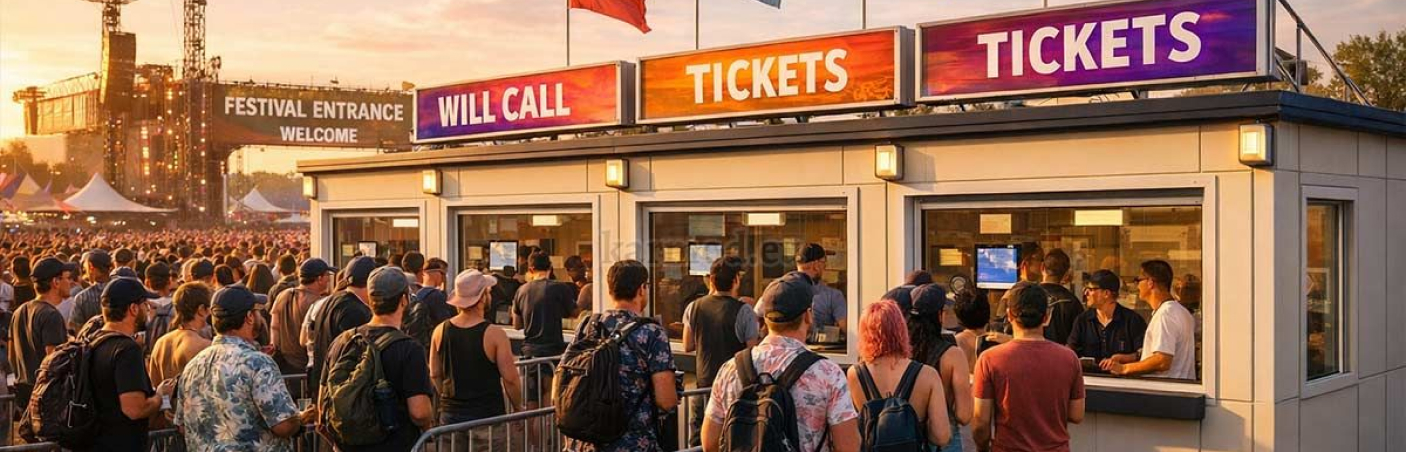
Festivals and fairgrounds are built around movement. People arrive in waves, lines form quickly, guests need direction, and first impressions are often shaped within the first few minutes of entry. In that environment, a ticket booth is not just a place to sell or scan admission. It becomes one of the most visible operational points on the site. It influences crowd flow, sets the tone for the guest experience, and plays a direct role in how organized the event feels from the start.
That is why ticket booth design deserves more attention than it often receives. A booth that looks good but slows down service can create frustration. A booth that functions well but feels temporary or poorly positioned can weaken the visual quality of the venue. The best ticket booths do both: they support efficient operations and help the event look prepared, branded, and easy to navigate.
For festivals and fairgrounds in the U.S., that balance matters even more because attendance patterns can be unpredictable. Some events run for a weekend, some for a full season, and some move between locations. In each case, organizers need ticketing structures that are practical, durable, and easy to integrate into the larger layout of the site.
A well-designed ticket booth does more than process entry—it shapes how guests experience the event before they even step inside.
Why Ticket Booth Design Matters at Festivals and Fairgrounds
At many events, the ticket booth is the first real point of contact between the organizer and the visitor. It is where people ask questions, buy tickets, present digital passes, confirm access, and begin forming an impression of how the day will be managed.
If the booth is too small, badly placed, or poorly designed, several issues can appear at once:
- slow-moving lines
- confusion around entry points
- crowd buildup near gates
- poor visibility for staff
- weak protection from weather
- a less professional appearance overall
On the other hand, when the booth is designed with real event conditions in mind, it helps the venue feel more controlled and more welcoming. Guests understand where to go. Staff work more comfortably. Entry becomes smoother. And the site immediately feels more capable of handling large numbers of people.
This is especially important at festivals and fairgrounds because ticketing is not always a simple transaction. Booths may also support wristband distribution, information requests, credential checks, re-entry control, VIP guidance, and day-of-event support.
Start with Flow, Not Just Appearance
A common mistake in ticket booth planning is to focus too heavily on how the unit looks without thinking deeply enough about how people will move around it. Appearance matters, especially for public-facing events, but function comes first.
The strongest booth designs usually begin with questions like:
- How many people may arrive within a short time window?
- Will the booth handle ticket sales, scanning, or both?
- Are separate lines needed for pre-paid guests, on-site buyers, and VIP access?
- Will staff need visibility in multiple directions?
- Does the site need one booth or several smaller units?
These questions shape the physical design. Window placement, counter height, roof overhang, staff access, and queue orientation all become easier to solve when crowd flow leads the design process.
For many festival and fairground settings, mobility is also part of that thinking. A structure connected to the logic of mobile kiosk makes sense because event layouts often change based on season, location, crowd size, or entrance strategy. A booth that can support flexibility gives organizers more control over how the site functions in real conditions.
Visibility, Access, and Guest Communication
A ticket booth should be easy to find before a guest is close enough to read a sign. That means visibility matters at multiple levels. The booth should stand out physically, fit clearly into the entrance layout, and support fast communication.
Good design choices often include:
- a clearly visible front-facing service window
- enough height and shape to remain noticeable in a crowd
- straightforward branding or event identification
- room for simple wayfinding signage
- practical access for both staff and guests
At busy festivals, confusion at the entrance can quickly multiply. Guests may not know which line to join, whether digital tickets are accepted, or where to ask a question. That is why ticket booths should not be designed as isolated boxes. They should work as part of a larger arrival system.
In many cases, an information kiosk is relevant to this broader strategy because the difference between ticketing and visitor guidance is often very small at event entrances. Some guests need admission help, some need directions, and some need both. A booth that supports communication clearly can reduce pressure on staff and improve the arrival experience at the same time.
Weather Protection Is a Design Priority, Not an Extra
Festivals and fairgrounds are often exposed environments. Heat, wind, rain, dust, and changing temperatures all affect how both staff and guests experience the site. For that reason, weather protection should be treated as a core design decision, not an optional feature.
A ticket booth may need to operate for long hours across full event days. If staff are uncomfortable, visibility is poor, or documents and equipment are exposed, efficiency drops quickly. Likewise, if guests stand at an uncovered service point in bad weather, the first interaction with the event may already feel inconvenient.
Practical weather-focused features may include:
- insulated wall construction
- covered service windows
- durable exterior materials
- reliable ventilation
- secure door systems
- glazing that supports visibility without sacrificing comfort
These details are especially important for seasonal fairgrounds and multi-day festivals where the booth may be in constant use. In such cases, a modular solution such as modular kiosks cabins can be a strong fit because it aligns durability with operational use, rather than treating the booth as a purely temporary visual feature.
Design for Staff Efficiency as Much as Guest Experience
Guests usually judge a ticket booth from the outside, but organizers need to think about what happens inside it as well. A booth may look compact and attractive from the front while still being inefficient for the people working in it.
That is a problem because event staff often work under pressure. They need to process transactions quickly, handle questions, coordinate with security or admissions teams, and sometimes manage long lines without interruption. A poorly planned booth interior can slow all of that down.
Good staff-oriented design should account for:
- enough working room for one or more attendants
- practical placement for POS systems or scanners
- secure cash or document handling if needed
- visibility toward queues and entry gates
- comfortable access to electricity, lighting, and ventilation
This is one of the reasons thoughtful booth design has a direct effect on revenue flow and crowd management. If the team inside the booth can work efficiently, the line moves faster and the site feels more organized.
The best ticket booth designs support speed, visibility, and staff comfort at the same time, because all three directly affect the success of the event entrance.
Booth Design Should Match the Character of the Event
Not every festival or fairground has the same identity. A county fair, music festival, food event, craft market, cultural celebration, and seasonal attraction may all need ticket booths, but they do not all need the same visual approach.
That does not mean the booth should become overly decorative or hard to deploy. It means the structure should feel aligned with the event’s tone. For example:
Community Fairs
These often benefit from warm, welcoming booth designs that feel approachable and easy to understand.
Music and Entertainment Festivals
These usually need strong branding visibility, faster line handling, and layouts that support high arrival volume.
Seasonal Attractions
These may require booths that can be reused each year while still looking fresh and professionally maintained.
Food or Lifestyle Events
These often benefit from cleaner, more polished visual integration that matches sponsor branding and guest expectations.
The goal is not to overdesign the structure. It is to make sure the booth feels intentional. A ticket point that looks unrelated to the event weakens the entrance experience. One that fits the site visually while still functioning well helps the event feel more complete from the moment guests arrive.
This is where Karmod Kiosk becomes relevant in a practical sense. Festival and fairground operators are not only looking for a box with a service window. They are looking for a structure that can support branding, flow, durability, and repeated use in a single solution.
Think Beyond Ticket Sales Alone
Many of today’s event ticket booths are expected to do more than sell admission. Depending on the event, they may also handle:
- ticket scanning
- on-site customer questions
- pass upgrades
- wristband or badge distribution
- lost-and-found direction
- staff communication with gate teams
- basic visitor assistance
That expanded role changes how the booth should be designed. It may need more than one service point, clearer line separation, or more internal organization than a traditional single-window ticket cabin. Organizers who plan for these realities early usually get better results than those who treat the booth as a last-minute requirement.
In other words, the booth should not be designed only for the simplest version of the event. It should be designed for the real one.
Designing ticket booths for festivals and fairgrounds is really about designing the arrival experience. The booth is where operations, branding, crowd management, and customer service meet in one structure. If it is planned well, it helps the event feel smooth, welcoming, and professionally organized from the very beginning.
That is why good booth design starts with function, supports comfort, protects staff, and fits naturally into the larger entrance strategy. It is not only about processing admission. It is about creating a visible, efficient, and reliable point of contact in one of the busiest parts of the site.
For event organizers across the U.S., that makes ticket booth planning a much more important decision than it may first appear. And for teams that want a modular solution that supports real operational use while still presenting the right image, Karmod Kiosk belongs naturally in the conversation.

 GRP Kiosk Cabin
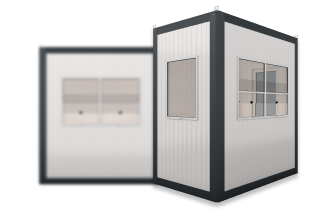 Sandwich Panel Cabin
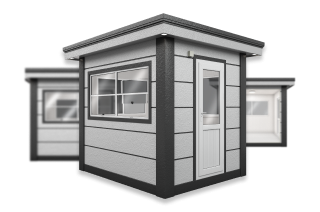 Metro City Cabin
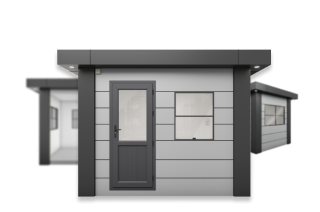 Kompo City Cabin
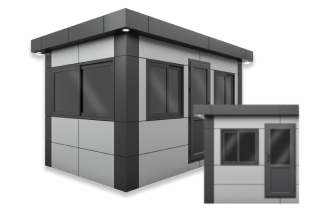 Metro Lux Cabin
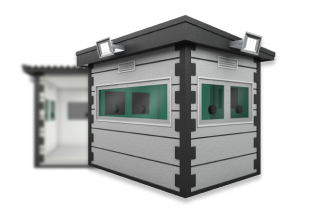 Armored Cabin
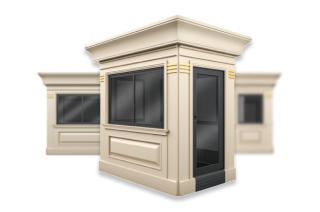 Precast Cabin
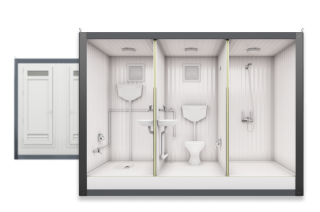 Wc - Shower Cabin
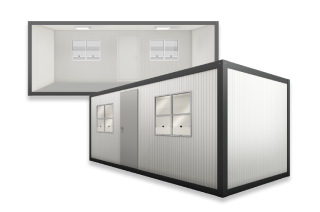 Economic Container
 +90 (216) 321 3221
 info@karmodkiosk.com