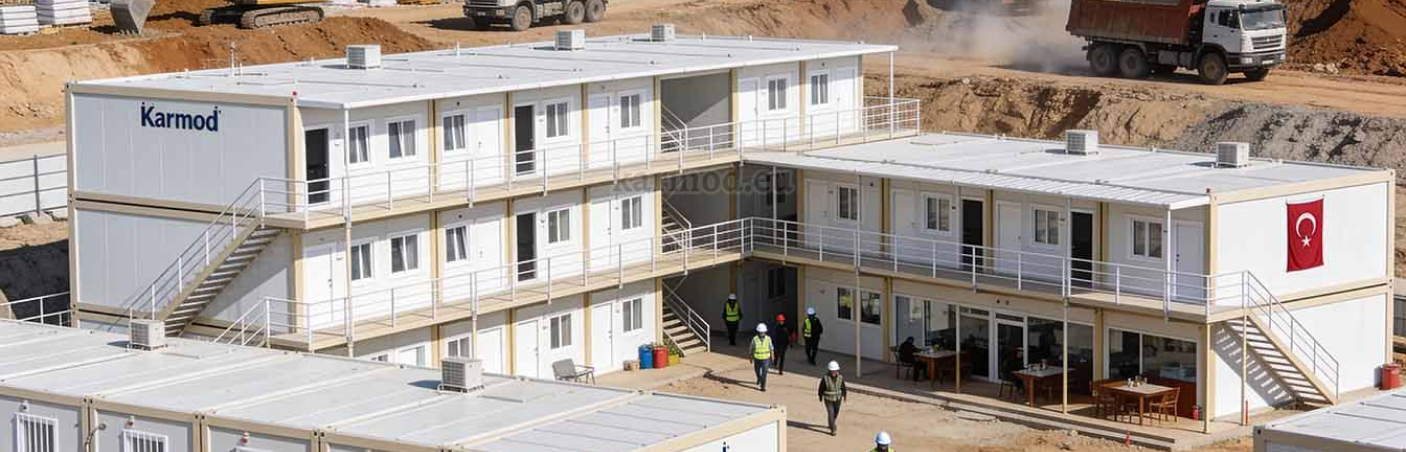
For many US contractors, the site office looks like a secondary decision at first. Then the project begins, daily coordination gets busier, paperwork starts piling up, teams need a place to meet, and suddenly that “secondary” structure becomes one of the most important operational points on-site. A slow office setup can delay supervision. A poor temporary workspace can create friction every day. And a conventional small office build can consume time, labor, and budget that should stay focused on the main contract.
That is one reason modular cabins have become a more practical choice for construction site offices. They are not appealing simply because they are prefabricated. They appeal because they reduce unnecessary effort around a function that needs to work quickly and reliably. Contractors do not want the site office itself to become another construction problem. They want it in place, usable, and aligned with the pace of the job.
The real value of a modular site office is simple: it gives contractors a working base faster, with less disruption and fewer cost surprises.
Why the site office matters more than it used to
Construction site offices are no longer just a place to sit between rounds on the project. On many US job sites, they act as the center of daily coordination. Meetings happen there. Drawings are reviewed there. Schedules are updated there. Client conversations, supervisor check-ins, field reporting, and documentation often run through that space. When the office is too late, too temporary, or too awkward to use, the whole site feels less organized.
That is why more contractors are rethinking how the office is delivered in the first place. A structure that takes too long to prepare or requires too much on-site work can quickly become an unnecessary drag on the project. A modular cabin changes that equation because much of the work is handled before it reaches the site. That reduces the burden on the job and helps the office start supporting operations sooner.
This is also why solutions such as modular kiosks cabins fit naturally into contractor planning. The logic is not complicated. If a structure can arrive faster, install more easily, and begin serving the site with less disruption, it immediately becomes a more attractive option.
Time savings begin before installation
One of the biggest advantages of a modular site office is that it shortens the amount of work that has to happen directly on the construction site. That matters more than many people first assume. A traditional office setup still needs sequencing, site labor, coordination, material handling, and enough clear time in the construction program to get built without interfering with larger priorities.
A modular cabin reduces that burden because the structure is largely prepared before it arrives. That changes the rhythm of the project. Instead of building the office from the ground up while the site is already active, the contractor receives something much closer to ready-to-use status. The result is a shorter path from planning to operation.
For busy contractors, this has a direct effect on momentum. Field teams can focus more of their time on core construction activity instead of spending energy on a support structure that should have been simple from the start. That is where the time saving becomes real: the office stops competing with the project and starts supporting it.
Cost control is often the bigger win
When people talk about reducing costs, they sometimes focus too much on the initial price alone. But contractors usually know the bigger issue is total impact. A site office can become expensive not only because of what it costs to acquire, but because of the labor, coordination, delay, and inefficiency it introduces if handled badly.
That is where modular cabins tend to perform well. They help narrow the range of uncertainty. Fewer moving parts on-site usually means fewer opportunities for delay, rework, miscommunication, or wasted labor hours. Even when the structure itself is not dramatically cheaper in headline terms, it can still save money by protecting the project from the smaller cost leaks that build up around conventional temporary office arrangements.
This is one reason many contractors prefer practical, value-oriented options instead of overcomplicated site office solutions. In the right context, a structure linked to the logic of an economic container can make a lot of sense because the priority is not visual excess. The priority is getting a dependable office in place without overspending on a support function.
What makes modular cabins more useful in real project conditions
The best site office is not just the one that arrives quickly. It is the one that still works well once the site gets busy. Construction projects are demanding environments. Dust, weather, noise, changing crew sizes, and constant movement all put pressure on the spaces used for coordination and administration. A site office has to hold up under that pressure while staying functional enough for daily use.
That is why enclosure quality, practical layout, and interior usability matter so much. A contractor may not need a luxurious office, but they do need a structure that feels dependable. It has to support meetings, admin work, scheduling, supervision, and daily decision-making without becoming frustrating to use after the first week.
Around the middle of a project, this difference becomes much more obvious. A poorly considered office starts to feel like a daily irritation. A modular cabin that was planned properly usually does the opposite. It fades into the background in the best possible way because it keeps doing its job while the rest of the project moves forward.
At that stage, the real takeaway becomes clear: contractors save time and money not because the office is “temporary,” but because the right modular setup reduces friction across the entire job.
Better site flow with less disruption
Another reason modular cabins work well for US contractors is that they limit disruption on the ground. Traditional small office construction may sound manageable in theory, but on an active site, even a small support structure can create scheduling headaches. It takes attention, materials, labor coordination, and physical space that could otherwise stay focused on the primary build.
A modular office reduces that interference. It allows the contractor to establish a clear operational point without turning the office into its own mini-project. That is especially useful on fast-moving jobs where every part of the site already has a purpose and any added complication creates knock-on effects.
For that reason, contractors often value straightforward performance more than elaborate features. A reliable shell, sensible layout, and good day-to-day usability are often what matter most. In many cases, a sandwich panel cabin fits this kind of requirement well because the emphasis is on practical enclosure performance and dependable site use rather than unnecessary complexity.
What contractors usually care about most
Most site office decisions become much simpler when stripped back to the real priorities. Contractors usually want the same few things: quick deployment, controlled cost, usable interior space, and minimal distraction from the main job. Everything else tends to come after that.
That is also why mobile and modular thinking has become more relevant across different kinds of job-site infrastructure. A contractor who values flexibility in one support structure is likely to value it in others as well. In that broader sense, mobile kiosk cabins reflect the same underlying preference for structures that adapt to operational need instead of slowing the project down.
The strongest site office decisions are rarely the most dramatic ones. They are the ones that keep supervision organized, staff functional, and the construction program moving with fewer unnecessary interruptions.
Why this approach fits the US contractor mindset
The US construction market rewards decisions that are practical, efficient, and easy to justify. Contractors are under pressure to stay on schedule, control overhead, and make sure support functions do not quietly drain project performance. A site office that takes too long, costs too much, or adds avoidable friction does exactly that.
A modular cabin fits the mindset of a contractor who wants the office to work from the beginning without becoming a distraction. It gives the project a base of operations that can be set up more efficiently and used more confidently. That is the real appeal. The office stops being a side problem and starts becoming a useful tool.
This is where Karmod Kiosk enters the conversation naturally. Contractors are often not searching for a site office in the abstract. They are looking for a smarter way to create a usable, durable working space that protects time, budget, and site rhythm from the start.
A construction site office should help the project run better, not absorb attention that belongs elsewhere. That is why modular cabins continue to make sense for US contractors. They reduce the amount of time spent creating workspace, narrow the risk of unnecessary cost buildup, and support a faster transition from setup to daily operation.
When chosen well, they also improve the tone of the site. Meetings become easier to manage, paperwork has a proper place, supervisors have a clearer base, and the project feels more organized overall. That is the real advantage of modular site offices: they save resources not only by arriving faster, but by making the entire job easier to run once they are there.

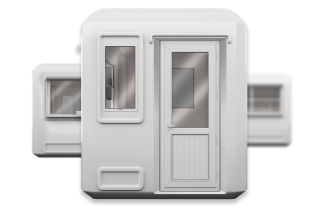 GRP Kiosk Cabin
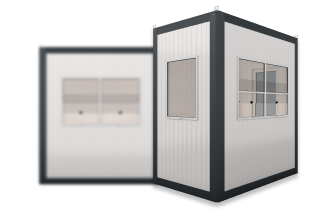 Sandwich Panel Cabin
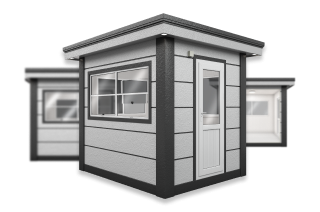 Metro City Cabin
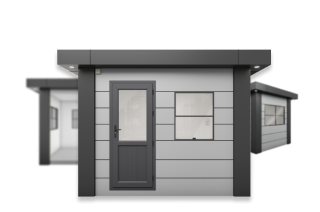 Kompo City Cabin
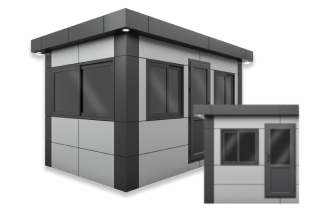 Metro Lux Cabin
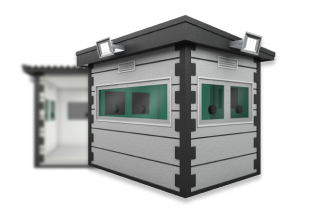 Armored Cabin
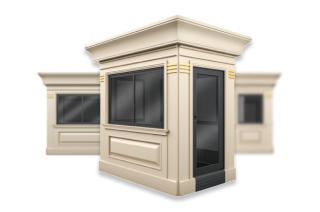 Precast Cabin
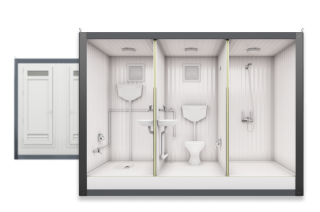 Wc - Shower Cabin
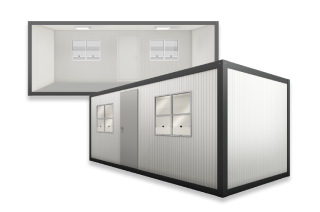 Economic Container
 +90 (216) 321 3221
 info@karmodkiosk.com