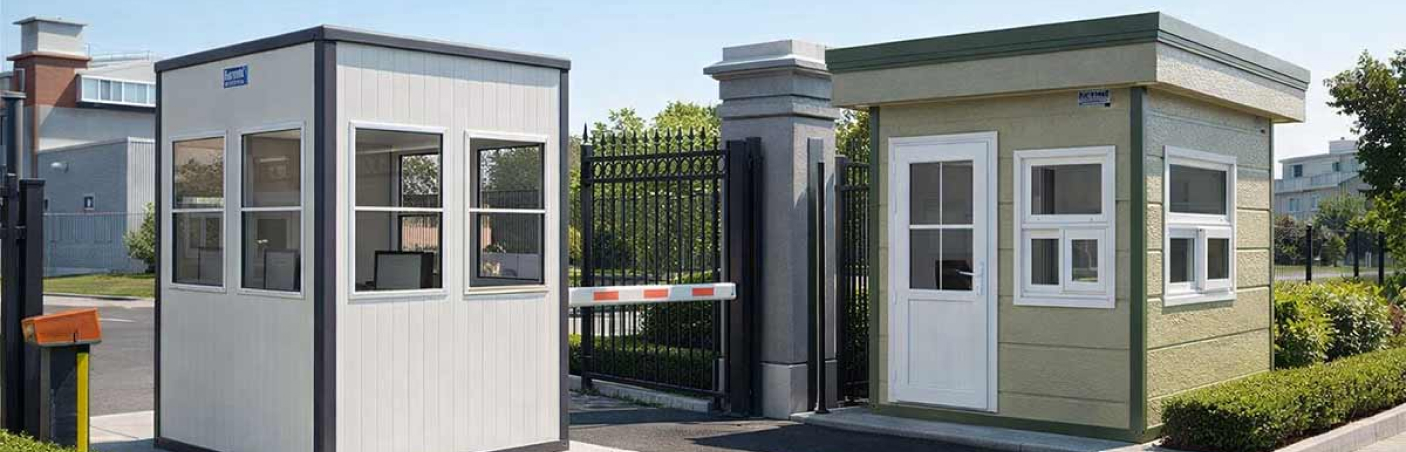
School security is often discussed in terms of cameras, access systems, visitor rules, and staff presence. But there is another part of that picture that quietly shapes how a campus functions every day: the physical point where security and visitor handling actually happen. A well-placed security booth can do much more than provide shelter for a guard. It can help a school create a calmer, more controlled, and more organized entrance experience from the very first point of contact.
When people think about security booths for schools, they sometimes picture a basic cabin at the gate and little more. In reality, the role of these structures is broader than that. In many educational settings, the booth becomes the place where visitors are received, deliveries are managed, access is observed, and the general rhythm of entry begins to take shape. That makes it less of a standalone structure and more of a working part of the school’s daily safety routine.
Why schools need more than a gate and a camera
A school entrance carries a different kind of responsibility than many other properties. It is not just a place where people come and go. It is a place where students, parents, staff, contractors, service providers, and visitors all intersect, often within the same short time windows. Morning arrival, dismissal, special events, and parent meetings can all create moments where movement increases and attention needs to stay sharp.
That is where a security booth starts to matter in a very practical way. It gives the school a visible control point. Instead of relying only on passive infrastructure, the campus creates a defined space where supervision can happen more consistently. This alone can make the entrance feel more structured and less exposed.
A good booth does not need to make the school feel unwelcoming. In fact, the opposite is often true. When visitor flow is clearer and security presence is more organized, the campus usually feels more settled, not more tense. That balance between visibility and reassurance is one of the main reasons these structures matter in educational environments.
The booth often becomes the school’s first point of judgment
Before a visitor reaches the main office, they often form an opinion about how the school is run. That impression starts at the perimeter. If arrival feels confusing, unmanaged, or too open, the campus can seem less prepared than it really is. If the entrance is clear, supervised, and easy to understand, confidence rises immediately.
This is one reason security booths matter beyond their protective function. They help schools shape the way people enter. A visitor who sees a defined entry point understands that arrival is being monitored. A parent knows where to stop and ask a question. A delivery driver has a clear checkpoint instead of improvising their route. These are small moments, but together they shape the daily order of the campus.
For some schools, this also connects naturally with broader entry planning and site organization. A structure such as an information kiosk can sit within the same logic, especially where visitor direction and controlled entry need to work together rather than as separate systems.
What schools are really looking for in a security booth
Most school administrators are not looking for an imposing structure. They are usually looking for something far more practical. The booth needs to support the people working inside it, fit the tone of the campus, and help make daily routines easier to manage.
That usually means the structure should support a few things especially well:
- clear visibility toward approaching vehicles and pedestrians
- a practical point for visitor interaction
- protection from weather during long daily use
- a compact but functional interior
- a look that feels appropriate for an educational setting
Once these priorities are clear, the booth becomes easier to evaluate. The question is not whether the structure sounds “secure enough” in the abstract. The question is whether it helps the school manage real entry conditions more smoothly, more visibly, and with less confusion.
This is also why modular kiosks cabins make sense in the school context. A modular structure can give the campus a defined control point without forcing the school into a much larger building project than it actually needs.
A booth can improve daily operations without making the campus feel harder
One of the biggest misunderstandings about school security structures is that stronger control always makes the environment feel colder or more restrictive. In practice, that usually depends on how the structure is positioned and used. A badly considered entry point can create friction. A well-designed one can reduce it.
In many schools, the booth helps daily operations by making responsibilities clearer. Staff know where visitor interaction should begin. Parents know where to pause if they need guidance. Vendors and outside service teams are less likely to wander toward the wrong entrance. The flow of entry becomes more intentional without becoming unnecessarily heavy-handed.
That practical quality matters a lot. Schools need to protect students and manage access, but they also need to preserve an environment that feels stable and respectful. A good security booth supports that balance by making control more natural rather than more dramatic.
This is one reason Karmod Kiosk fits into the conversation in a useful way. Schools are often not searching for a generic security cabin. They are looking for a structure that supports supervision, fits the campus visually, and works as part of a broader daily routine.
Different school settings call for different booth priorities
Not every educational campus has the same needs. A private K–12 school with one main vehicle entrance is different from a large high school with event traffic, bus movement, and multiple access points. A university-adjacent preparatory campus may need a different kind of entry structure than a small elementary school focused mainly on parent arrivals and visitor check-ins.
That is why the most useful approach is not to think about security booths as one-size-fits-all products. The better question is how the school uses its perimeter. In some cases, the priority may be visitor screening. In others, it may be observation, access control, or traffic coordination during busy times of day. The booth should reflect those actual patterns instead of following a generic template.
Where a school expects harder daily wear, a structure such as a grp kiosk cabin may also become relevant because durability, weather resistance, and practical upkeep matter just as much as appearance over time.
The physical structure says something about the school’s priorities
A school entrance communicates more than people realize. It tells visitors whether the site has a clear routine. It tells staff whether there is a defined point of control. It tells families whether arrival and access have been thought through with care. In that sense, the security booth is not only functional. It is also symbolic.
That does not mean it has to dominate the campus. Quite the opposite. The best school security booths are usually the ones that feel deliberate without feeling overbuilt. They support the site quietly but clearly. They make daily processes easier. They help supervision feel present and consistent.
When the structure is planned well, it becomes part of the campus rhythm. People know where to go. Staff know where to operate. Visitor handling starts in the right place. That kind of order does not solve every security challenge, but it gives the school a much stronger foundation for managing the entrance well.
Looking at the booth as part of the whole campus experience
It is easy to think of a security booth as a small addition at the gate. But in schools, small additions can have a very visible impact. The entrance is where routines begin, and whatever happens there tends to affect the rest of the day. If the perimeter feels unclear, that uncertainty can travel inward. If the perimeter feels controlled and calm, the rest of the campus benefits from that tone.
That is why a closer look at security booths for schools is worthwhile. The structure is not just a post for observation. It is a point where safety, communication, visitor handling, and campus order come together in one place. When schools treat it that way, they usually get far more value from it than they first expect.
Final thought
A security booth for a school should do more than occupy a corner of the entrance. It should help the campus feel more organized, support the people responsible for monitoring access, and make visitor handling simpler from the very beginning. In the best cases, it becomes a quiet but important part of how the school protects its environment without losing its sense of openness and order.
That is what makes these structures worth evaluating more carefully. They are not just about security presence. They are about giving the school a clearer, more practical way to manage the first point of contact every single day.

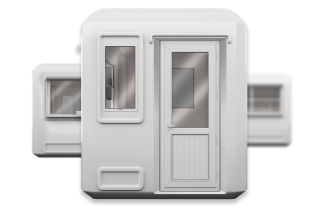 GRP Kiosk Cabin
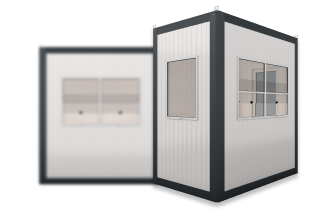 Sandwich Panel Cabin
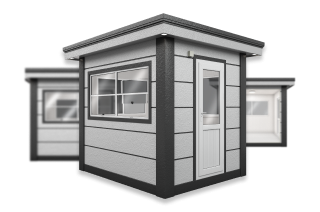 Metro City Cabin
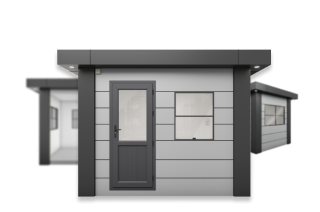 Kompo City Cabin
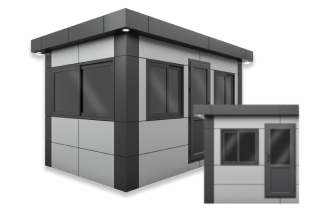 Metro Lux Cabin
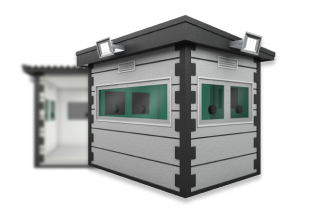 Armored Cabin
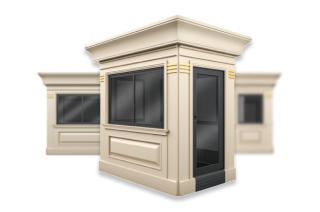 Precast Cabin
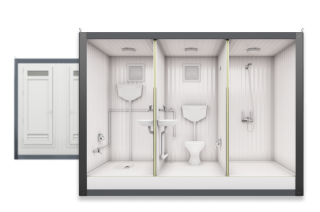 Wc - Shower Cabin
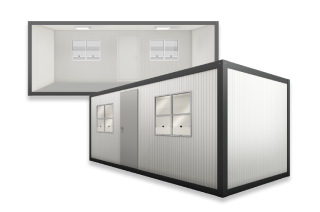 Economic Container
 +90 (216) 321 3221
 info@karmodkiosk.com